Assessing drainage needs begins with a systematic survey of slope, capacity, and anticipated runoff. Proper trench depth is determined, utilities are located, and site constraints noted. Materials and joints must withstand soil conditions, loads, and potential root intrusion. Components are cut, fitted, and aligned with precise measurements. After assembly, pressure and fall are tested, joints sealed, and results documented, ensuring durable, reproducible performance as the project progresses to the next critical steps.
How to Assess Your Drainage Needs
Assessing drainage needs begins with a systematic evaluation of site conditions and planned use. The analysis documents drainage capacity and anticipated runoff, identifying peak flow rates and volume requirements. Slope calculations determine gradient requirements for effective transport. Subsurface conditions, voids, and existing utilities are cataloged to inform trenching depth and alignment. Documentation guides subsequent design decisions with objective, reproducible criteria.
Choosing Materials for Your Drain Install
Selecting appropriate materials for a drain install requires aligning pipe and landscape components with projected loads, soil conditions, and installation depth. Materials must meet defined performance criteria, resisting abrasion, chemical exposure, and root intrusion. Choose compatible joints and bedding to preserve flow efficiency. Consider material durability and installation timing, ensuring supply availability and project sequencing align with cold or rainy-season constraints and long-term maintenance expectations.
Measure, Cut, and Assemble With Confidence
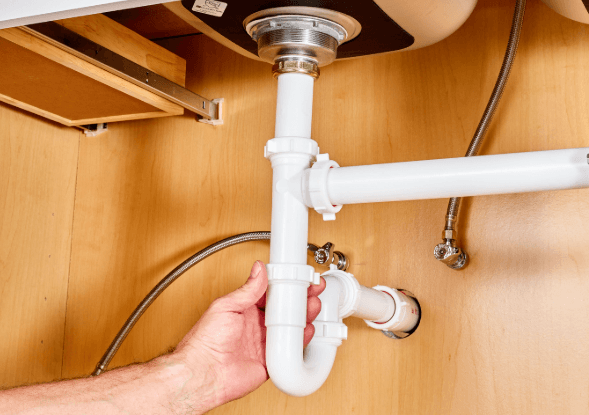
Measure, cut, and assemble with confidence by applying structured procedures that ensure accurate pipe alignment, secure joints, and leak-free performance. The process emphasizes measurements accuracy, deliberate tool selection, and adherence to standardized cutting and fitting steps. Precision aligns components, reduces error, and supports joint safety. Proper measurement, marked references, and neat cut lines promote reliable assembly, while planning minimizes rework and waste.
Testing, Sealing, and Finalizing Leak-Free Connections
After establishing correct measurements and clean cuts, the process proceeds to verify joint integrity and secure leak-free performance. Testing, sealing, and finalizing are performed with objectivity: testing considerations address pressure, fall, and slope; sealing techniques employ appropriate materials and methods for joints, solvent welds, or gasket systems. Documentation confirms tested results and seals, ensuring durable, reliable drainage installation.
See also: upskillgate
Conclusion
In the quiet trench, the system stands as a compass of earth and gravity. Each joint, a hinge of trust; each trench line, a patient whisper guiding water’s winterless path. Materials align like careful organs, tested and sealed, their bonds a chorus of durability. The slope remembers the path, roots yield to the design, and measurements become memory. When the test runs true, the network exhales—a steady, unobtrusive current mapping a durable future.