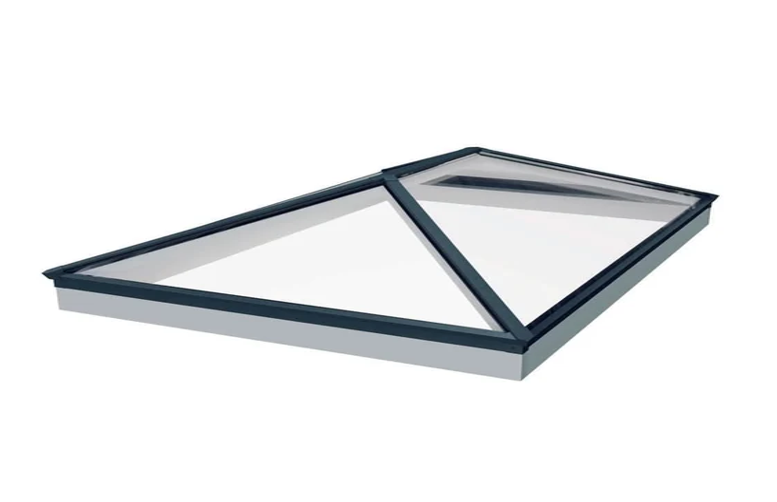
Natural light can change the way a room looks and feels without requiring major changes to its furniture, colour scheme, or layout. Rooms with limited windows often appear darker, particularly where neighbouring buildings, boundary walls, or the position of the property restrict side-facing light. A roof lantern offers another route for daylight by introducing glazing above the room rather than relying entirely on vertical windows.
Polycarbonate roof lanterns are one option for homeowners who want to improve daylight levels while keeping the roof structure relatively practical. A polycarbonate roof lantern is a lightweight glazing solution that can be formed into different profiles and used in roof systems designed for residential extensions, kitchens, dining areas, and other living spaces. Polycarbonate is also available in various designs, making it suitable for different property styles and roof requirements.
Bringing Light From Above
Vertical windows receive light from a limited direction. A roof lantern has a different position within the building envelope, allowing daylight to enter from above. This can make a noticeable difference in rooms where wall space is already occupied by cupboards, furniture, shelving, or doors.
The higher position of a roof lantern also helps distribute daylight across a larger area. Instead of having a bright patch close to a conventional window and darker areas farther into the room, overhead glazing can introduce light closer to the centre of the space.
This arrangement can work particularly well in flat-roofed extensions. A kitchen extension, for example, may have only one external wall available for windows because the other sides connect to the existing house. Adding glazing within the roof gives daylight another route into the new room.
Why Polycarbonate Is Suitable for Roof Glazing
Polycarbonate is valued for its combination of low weight and impact resistance. Compared with some heavier glazing materials, it can reduce the structural demands placed on the roof system.
Its relatively light construction can also make installation more manageable, particularly during extension projects where the roof design has already been carefully calculated. The exact requirements depend on the roof structure, dimensions, glazing specification, and installation method.
Polycarbonate sheets are available in different profiles and finishes. Some are designed to provide clearer daylight, while others diffuse incoming light. Diffused glazing can be useful in living areas where homeowners want brightness without strong patches of direct sunlight.
The choice of material should be based on more than appearance. Factors such as thermal performance, light transmission, durability, cleaning requirements, and compatibility with the roof system all deserve attention.
Improving Daylight in Kitchen Extensions
Kitchens are common locations for roof lanterns because cabinetry can take up much of the available wall space. Tall units, wall cupboards, appliances, and worktops may limit the practical area available for conventional windows.
A roof lantern can provide overhead illumination while preserving valuable wall space for storage and cooking equipment.
The position of the lantern also affects how light reaches the room. A centrally placed roof lantern can spread daylight over the main activity area. A larger opening may increase the amount of available daylight, although the final result depends on the glazing specification, room dimensions, orientation, and surrounding structures.
For an extension used as a kitchen and dining area, the roof lantern can also create a visual connection between the interior and the sky. This can make a single-storey extension feel less enclosed.
Reducing the Need for Artificial Lighting During the Day
A brighter room can reduce reliance on electric lighting during daylight hours. The actual reduction will vary according to weather, season, room size, window placement, glazing type, and how occupants use the space.
The benefit is most noticeable in rooms that previously depended heavily on ceiling lights during the daytime. A roof lantern can supplement existing windows rather than replacing them.
Lighting design still matters. Artificial lights remain necessary during evenings and on darker days, but better daylight distribution can make daytime lighting more flexible.
Homeowners can also combine roof glazing with light-coloured walls and ceilings. Pale surfaces reflect incoming daylight and can help spread brightness further around the room.
Managing Heat and Glare
More daylight can bring additional solar heat and glare, so the glazing specification deserves careful consideration.
A roof lantern receives sunlight from above and may therefore experience stronger solar exposure than a conventional vertical window. The effect depends on the property’s orientation and the amount of glazing.
Modern roof systems can incorporate glazing designed to control solar transmission. Diffused polycarbonate can also soften direct light, reducing harsh shadows in some situations.
Internal blinds or shading systems may provide another layer of control. These can be particularly useful in rooms with televisions, computer screens, or dining areas where direct glare becomes distracting.
Good ventilation should also be considered as part of the overall roof design. Natural ventilation, opening roof sections, or mechanical ventilation can help manage indoor conditions during warmer periods.
Creating a Stronger Sense of Space
Natural light affects perception as well as visibility. A dark ceiling can make a room feel lower, while daylight entering from above can draw attention upward.
This effect can be useful in extensions where the ceiling height is limited by planning, structural, or construction requirements. A roof lantern introduces a visual focal point and gives the ceiling greater variation.
The result does not need to look elaborate. A simple lantern with clean glazing lines can suit contemporary interiors, while more traditional profiles may work with older properties or classic extension designs.
The size and shape should relate to the room rather than being selected in isolation. An oversized lantern can dominate a smaller space, while a very small unit may have limited impact on daylight levels.
Maintenance and Cleaning Requirements
Roof glazing should be easy to maintain because dirt, leaves, dust, and other debris can gradually reduce the amount of light entering the room.
The surrounding roof design affects maintenance access. Gutters and roof junctions should also be planned carefully so that water does not collect around the lantern.
Polycarbonate generally requires straightforward cleaning, but the manufacturer’s instructions should be followed. Abrasive materials or unsuitable cleaning chemicals may damage the surface.
Regular inspection can also identify damaged seals, blocked drainage routes, or other issues before they become more serious.
Considering the Roof Structure
A roof lantern should be treated as part of the roof system rather than an isolated decorative feature. The supporting structure needs to accommodate the opening and transfer loads correctly.
Roof pitch, dimensions, drainage, insulation, flashing, and weatherproofing all influence the finished installation. Building regulations and local requirements may also apply, depending on the project and location.
Professional installation can help ensure that the lantern works with the existing roof rather than creating weaknesses around the opening.
See also: Why Consistent SEO Matters for Long-Term Business Growth
A Practical Way to Increase Daylight
Polycarbonate roof lanterns can provide an effective source of overhead daylight for rooms where conventional windows have limitations. Their lightweight construction, range of profiles, and availability in different light-transmitting finishes make them suitable for many extension projects.
The best results come from treating the lantern as part of the wider design. Room orientation, glazing specification, ventilation, shading, roof structure, and interior finishes all influence how much benefit the installation provides.
For homeowners planning a new extension or improving an existing flat roof, overhead glazing can provide a practical route to a brighter interior while also giving the ceiling greater visual interest.