Moisture can collect behind walls, beneath flooring, and inside ceilings without leaving obvious signs of damage. A small leak or damp area may go unnoticed until paint starts peeling, musty smells develop, or mold begins to grow. Mold thermal imaging services help property owners identify temperature differences that may point to hidden moisture before the problem becomes more visible. For homeowners and businesses, early investigation can help limit property damage and support timely repairs. Best Option Restoration provides water damage inspection services that help identify areas of concern and guide the next steps towards drying and restoration.
Why Hidden Moisture Is Difficult to Find
Water does not always remain near the source of a leak. It can travel through building materials, spread beneath flooring, and collect inside wall cavities. A plumbing leak, roof damage, overflowing appliance, or previous flooding event may leave damp materials behind even after the visible water has been removed. Some materials also absorb moisture slowly, making the damage difficult to spot during a routine visual inspection. A wall may look dry on the surface while insulation or the material behind it remains damp.
Common signs that may suggest hidden moisture include:
- Persistent musty smells: An earthy or damp odour may indicate moisture trapped in an enclosed area.
- Peeling paint or bubbling wallpaper: Water behind a finished surface can affect paint and adhesives.
- Dark patches or staining: Discolouration on ceilings and walls may point to a leak or damp material.
- Warped flooring: Wood, laminate, and other flooring materials may change shape after absorbing water.
- Repeated mold growth: Mold that returns after cleaning may be linked to an unresolved moisture source.
These signs do not confirm mold growth on their own. They indicate that a closer inspection may be needed to determine what is happening inside the affected area.
See also: How a Therapist Can Help You Navigate Everyday Life Challenges
How Thermal Imaging Detects Moisture
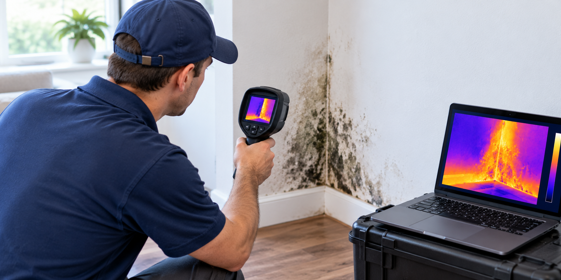
Thermal imaging cameras record infrared energy and display temperature differences across a surface. The results appear as a coloured image, often called a thermal image, that helps an inspector identify unusual temperature patterns. Wet building materials can behave differently from dry materials because moisture affects heat storage and evaporation. These differences may create cooler or warmer areas on a thermal image, depending on the surrounding conditions.
For example, an inspector checking a ceiling beneath a bathroom may notice a temperature pattern that differs from the surrounding surface. This could indicate moisture from a leaking pipe or another source. The inspector can then investigate the area more closely instead of relying only on visible damage. Thermal imaging does not directly photograph water or confirm the presence of mold. Temperature changes can also result from insulation gaps, air leaks, sunlight, electrical equipment, or differences in building materials. For this reason, thermal images need to be interpreted alongside other inspection findings.
Areas Where Thermal Imaging Can Reveal Problems
Hidden moisture can develop in several parts of a property. Thermal imaging can help inspectors identify areas that deserve further attention without immediately opening walls or removing flooring.
Walls and Ceilings
Water from plumbing leaks, roof damage, and overflowing fixtures can move into wall cavities and ceiling materials. A thermal camera may reveal temperature patterns around affected areas, helping the inspector decide where to carry out additional moisture checks. This can be particularly useful when stains are small or have not yet appeared on the painted surface.
Bathrooms and Kitchens
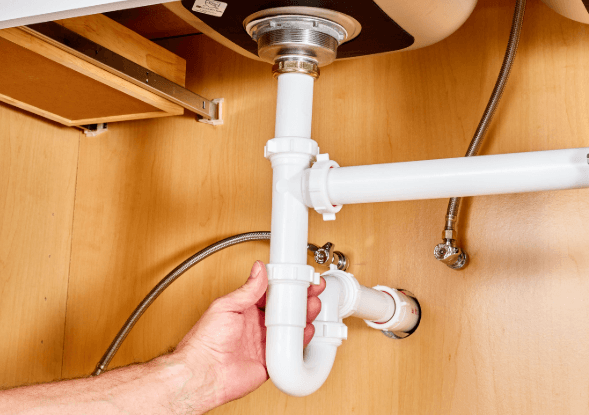
Bathrooms and kitchens contain water supply lines, drains, appliances, and sealed joints that can develop leaks. Moisture may collect beneath sinks, around showers, behind cabinets, or under flooring. An inspection can help narrow down suspicious areas so that further testing can focus on the most likely locations.
Basements and Crawl Spaces
Basements and crawl spaces may experience moisture from groundwater, poor drainage, foundation leaks, or plumbing problems. Dampness can remain hidden behind stored items, insulation, or finished wall panels. Thermal imaging can help identify unusual surface patterns, although direct moisture measurements may still be necessary to establish whether building materials are wet.
Floors and Areas Around Windows
Leaks around windows, doors, and exterior walls can allow water to enter the building. Moisture may also spread beneath carpets or wooden flooring after a spill or plumbing failure. Identifying these areas early can help property owners investigate the source before the damage spreads further.
The Role of Thermal Imaging in Mold Investigations
Mold needs moisture to grow, along with suitable temperatures and a material it can use as a food source. Drying a building and correcting leaks are therefore essential steps in reducing the conditions that allow mold to develop. Mold thermal imaging services can support an inspection by helping locate areas where hidden moisture may be present. The findings can guide additional testing and help restoration professionals decide where to focus their attention.
A typical inspection may involve several steps:
- Reviewing the property: The inspector asks about leaks, flooding, previous repairs, and areas where damp smells or stains have appeared.
- Scanning surfaces: A thermal camera is used to identify unusual temperature patterns on walls, floors, and ceilings.
- Checking moisture levels: Suitable moisture meters help assess whether suspicious materials contain excess moisture.
- Investigating the source: Plumbing, roofing, drainage, or ventilation issues may need further examination.
- Planning the next steps: The inspection findings help determine whether drying, repairs, or a more detailed mold assessment is required.
This process helps separate possible moisture problems from other causes of temperature differences. It also gives restoration teams a clearer starting point for deciding what needs attention.
Why Early Detection Can Reduce Property Damage
Moisture problems can become more expensive to address when they remain unresolved. Wet drywall may lose strength, wooden materials can deteriorate, and flooring adhesives may weaken. Continued dampness can also create conditions that support mold growth. Finding a possible problem early allows property owners to investigate before extensive repairs become necessary. For example, identifying a suspected leak behind a cabinet may help direct a plumber to the affected area before moisture spreads into nearby materials.
Best Option Restoration can be considered when water damage requires professional inspection and restoration support. Prompt attention to water intrusion, followed by appropriate drying and repairs, can help protect the condition of a building. Thermal imaging may also reduce unnecessary exploratory work by highlighting areas that need closer examination. However, it cannot guarantee that all moisture will be found, particularly when environmental conditions or building materials limit the camera’s ability to detect temperature differences.
What Happens After Moisture Is Found?
Finding a suspicious area is only the first part of the process. The underlying cause must be identified and corrected to prevent the same problem from returning. The next steps depend on the source, extent, and duration of the moisture. A minor plumbing leak may require a straightforward repair and localised drying, while extensive water intrusion may need a more involved restoration plan.
Property owners should generally prioritise these actions:
- Stop the water source: Repair leaking pipes, damaged roofing, or faulty appliances.
- Assess affected materials: Determine which surfaces and materials are damp and whether they can be dried or need replacement.
- Dry the area properly: Use suitable drying equipment and monitor moisture levels until materials reach appropriate conditions.
- Arrange mold assessment if needed: Visible mold, persistent musty odours, or a history of prolonged dampness may warrant further investigation.
- Address the cause of recurring dampness: Improve ventilation, repair drainage issues, or correct building defects where necessary.
Cleaning visible mold without fixing the moisture problem is unlikely to provide a lasting solution. Similarly, painting over a damp patch can hide the symptom without resolving the underlying issue.
Choosing the Right Inspection Support
A useful moisture inspection should explain what was found, which areas need further checks, and what actions may be appropriate. Property owners should look for professionals who understand building moisture, use thermal equipment correctly, and know when additional testing is required. Ask whether the inspection includes moisture meter readings, documentation of suspicious areas, and recommendations for addressing the likely source. It is also helpful to understand whether the service covers restoration work or whether separate contractors will be needed.
Best Option Restoration is a relevant option for property owners dealing with water damage concerns who need support in assessing the affected space and determining suitable restoration steps. A thermal image should always be treated as one piece of evidence rather than a final diagnosis. Combining thermal scanning with moisture measurements and a careful inspection provides a more reliable basis for deciding what repairs or further assessments are needed.
Protect Your Property From Hidden Moisture
Unnoticed moisture can affect building materials long before obvious damage appears. Thermal imaging helps inspectors identify unusual temperature patterns, investigate potential damp areas, and direct further testing towards places that may otherwise be overlooked. Acting promptly can help limit damage and reduce the chance of ongoing moisture creating conditions for mold growth. Reach out today to discuss your moisture concerns, arrange a professional inspection, and find practical solutions to address hidden water damage before it leads to further property issues.