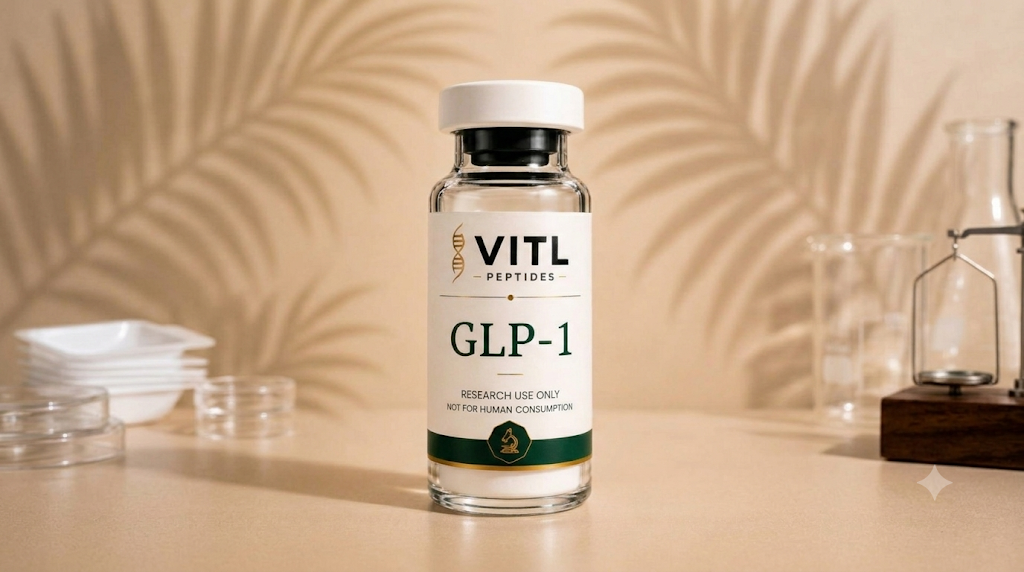
Research materials used in laboratory studies need careful quality checks before they become part of an experiment. Purity, chemical identity, batch consistency and proper documentation all affect how researchers assess their materials and interpret results. Lab Tested Research Peptides are often discussed in relation to these standards, as laboratory testing helps establish whether a supplied material meets its stated specifications. Brands such as Vitl Peptides place emphasis on product information and batch documentation, giving qualified researchers useful details to review. Understanding the testing process also helps distinguish verified laboratory materials from products with limited or unclear quality information. A closer look at analytical methods, certificates of analysis and storage standards can help researchers make more informed decisions about laboratory supplies.
Why Laboratory Testing Matters
Laboratory testing provides information about the identity, purity and composition of research materials. Without suitable testing, researchers may have difficulty confirming whether a product matches its label or contains unwanted substances.
The quality of research materials can influence experimental observations. For example, impurities or differences between batches may introduce variables that affect results. This can make it harder to determine whether an observed change comes from the compound being studied or another substance present in the sample.
Testing also supports transparency between suppliers and research organisations. Clear analytical records allow researchers to review the available evidence rather than relying entirely on product descriptions or general quality statements.
What Does Purity Mean in Research Peptides?
Purity describes the proportion of the intended compound in a tested sample, according to the analytical method and calculation used. A purity result of 99% suggests that the tested sample meets that stated percentage under the reported testing conditions.
However, a high purity figure does not automatically confirm every aspect of product quality. It does not necessarily establish sterility, biological activity, the absence of every possible contaminant or suitability for a particular experiment.
Researchers should consider several factors when reviewing purity information:
● Chemical identity: Confirms whether the tested material matches the compound named on the product label.
● Purity percentage: Indicates the measured proportion of the target compound under the stated method.
● Impurity profile: Provides information about detected unwanted substances.
● Batch consistency: Helps establish whether different production lots meet similar specifications.
● Testing method: Explains how the reported results were obtained.
These details provide a clearer picture of the material than a purity percentage alone.
Testing Methods Used to Assess Research Materials
Different analytical methods provide different types of information. A reliable quality assessment may involve more than one testing technique, depending on the compound and its intended laboratory application.
High-Performance Liquid Chromatography (HPLC)
HPLC is commonly used to separate the components within a sample. The resulting analysis can help assess the relative amount of the target compound and identify certain impurities.
The method works by passing a prepared sample through a column under controlled conditions. Different substances move through the column at different rates, allowing them to be separated and measured.
HPLC results are useful for reviewing purity, although the accuracy of the findings depends on the method, reference standards and sample preparation.
Mass spectrometry helps researchers investigate the molecular characteristics of a substance by measuring the mass-to-charge ratio of its ions.
It can support compound identification and provide information about molecular mass. When used alongside chromatography, it offers additional evidence about the composition of a sample.
Endotoxins are substances associated with the outer membranes of certain bacteria. Testing may be relevant to research materials where endotoxin levels could affect the experimental model.
Endotoxin testing is different from purity testing. A material may show a high purity result while still requiring separate assessment for endotoxin contamination.
Understanding a Certificate of Analysis (COA)
A Certificate of Analysis, commonly known as a COA, is a document containing analytical information about a particular product batch. It helps researchers compare the supplied material with its stated specifications. A useful COA should provide enough information to identify the tested material and understand the reported results.
Details worth checking in a COA include:
● Product name: The exact identity of the material tested.
● Batch or lot number: A reference that connects the report to a specific production batch.
● Purity results: The measured purity percentage and relevant analytical findings.
● Testing method: The technique used to examine the sample.
● Testing date: When the analysis was completed.
● Laboratory details: Information about the testing organisation, where available.
Researchers should check that the batch number on the product packaging matches the batch number on its COA. A report belonging to another batch does not establish the quality of the material received.
A COA should also be reviewed in context. The document needs to contain relevant results, rather than simply displaying a general quality statement without supporting information.
Why Batch Consistency Deserves Attention
Consistency between batches matters because research findings need to be assessed against clearly defined experimental conditions. Differences in compound identity, purity or impurity levels can introduce unwanted variables. If researchers use materials from different batches without reviewing their documentation, they may find it difficult to compare experimental results accurately. Batch-specific testing provides a record that can support laboratory quality checks. It also makes it easier to trace the material used in a particular experiment.
Vitl Peptides provides batch-related product documentation for applicable research materials, including its 5-Amino-1MQ product. Its published specifications state 99%+ purity and reference HPLC verification. The compound is a small-molecule research material associated with studies of nicotinamide N-methyltransferase (NNMT), rather than a peptide. This distinction matters because products should be assessed according to their actual chemical identity and relevant testing requirements.
What to Look for Before Selecting Laboratory Materials
Choosing research materials requires more than comparing product names or advertised purity figures. Researchers should review the available documentation and check whether the supplied information meets their laboratory requirements.
Consider these points during the assessment:
1. Clear product identification: Check the exact compound name, chemical identity and stated form.
2. Accessible batch documentation: Look for a COA that corresponds to the specific lot.
3. Suitable testing methods: Confirm that the analytical methods provide relevant information about the material.
4. Transparent specifications: Review purity, impurity information and other available quality measurements.
5. Storage information: Check the recommended conditions provided with the product.
6. Supplier transparency: Assess whether product descriptions and supporting documents provide consistent information.
Terms such as bac peptides may also appear in research-related searches and product discussions. However, the term alone does not establish a particular purity level, chemical identity or testing standard. Researchers should verify the exact compound and review its supporting laboratory documentation rather than relying on broad product labels.
Storage and Handling Affect Material Quality
Even a properly tested research material needs suitable storage and handling. Exposure to moisture, light or temperature changes may affect its stability, depending on the compound.
Researchers should follow the storage instructions supplied with the material and their institution’s laboratory procedures. General precautions include:
● Keep materials in their specified storage conditions.
● Protect suitable compounds from unnecessary light and moisture.
● Avoid repeated temperature changes where stability may be affected.
● Use appropriate laboratory equipment and protective procedures.
● Follow documented instructions for preparation, handling and disposal.
Storage records can also support quality management by helping researchers identify possible conditions that may have affected a sample.
Common Misunderstandings About Purity and Quality
Several assumptions can lead to confusion when reviewing research materials.
A higher purity percentage means complete quality. Purity is only one measurement. Chemical identity, contamination, stability and other specifications may require separate testing.
Every COA confirms the same standards. Testing documents can differ in their methods, detail and scope. Researchers should examine the actual results rather than assume that every certificate provides identical information.
All research compounds are peptides. Research materials include peptides, proteins, small molecules and other chemical compounds. Their testing requirements depend on their individual properties.
A laboratory-tested label guarantees experimental results.Testing provides information about material quality, but it cannot guarantee a particular research outcome. Experimental design, sample preparation and laboratory conditions also influence findings.
Reliable suppliers should make it possible to distinguish documented test results from general product claims. Vitl Peptides focuses on research-use-only materials and provides product and batch information to support laboratory assessment. Researchers considering bac peptides or other research compounds should apply the same careful approach to documentation and verification.
Making Better Decisions Through Quality Documentation
Good research depends on accurate records and controlled conditions. Testing methods, purity reports and batch-specific COAs help researchers understand the materials used in their work. They also provide a useful reference when reviewing experimental differences or investigating unexpected findings. Lab Tested Research Peptides should therefore be assessed through the available analytical evidence, not simply through marketing descriptions or a single purity figure. Checking chemical identity, testing methods, batch information and storage requirements creates a more reliable basis for evaluating research materials.
Vitl Peptides recognises the value of clear product specifications and analytical documentation for qualified laboratory research. Taking time to review these details helps research organisations maintain informed purchasing decisions and better material traceability. For reliable research materials and clear product information, Contact Vitl Peptides today to learn more about available compounds, purity specifications and laboratory testing documentation.