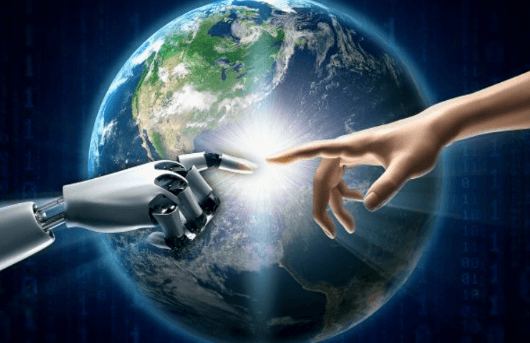
Technology expands access to tools, data, and collaborators beyond traditional boundaries. AI aids exploration, augmenting intuition without replacing authorship. Platforms enable rapid testing, scalable experimentation, and cross-disciplinary work. Governance, openness, and interoperable standards shape resilient, equitable innovation. The creative ecosystem becomes more participatory and networked, yet questions remain: who owns outcomes, and how are shared benefits ensured as future work unfolds? The answer may redefine what it means to create.
How Technology Amplifies Human Creativity
Technology amplifies human creativity by expanding access to tools, data, and collaborators beyond traditional boundaries.
The discussion centers on Creative amplification and Human collaboration, where diverse minds converge to accelerate insight and output.
Algorithmic intuition informs decisions, yet Intentional design preserves purpose.
This dynamic fosters freedom through open exploration, resilient experimentation, and transparent processes, guiding societies toward inventive, purposeful futures.
Tools, Platforms, and Mediums Shaping Creative Work
This landscape favors AI assisted exploration, where machines augment intuition without supplanting authorship.
Collaborative scaffolding supports teams across disciplines, while scalable experimentation tests ideas rapidly.
Cross disciplinary tooling enables fluid transitions between media, disciplines, and formats, fostering autonomous, freedom-minded innovation.
Skills You’ll Need in a Tech-Integrated Creative Era
As creative ecosystems converge through AI-assisted exploration and cross-disciplinary tooling, individuals must cultivate a concrete set of competencies that enable effective collaboration with machines and across domains.
The era demands fluency in AI ethics, data governance, and collaborative platforms, paired with inclusive design.
Analytical minds will balance creativity with governance, ensuring transparent workflows, equitable access, and resilient, freedom-supporting innovation across diverse disciplines.
Building Communities and Systems for Shared Innovation
What infrastructures and communities enable shared innovation across disciplines, institutions, and geographies, and how can they be designed to scale equitably? The analysis examines collaborative platforms, interoperable data standards, and transparent funding models that empower diverse actors. It emphasizes two word discussion ideas: Community governance, Shared governance, guiding governance structures toward inclusive participation and distributed ownership, fostering resilient, freedom-supporting ecosystems for collective creativity.
See also: Technology as a Double-Edged Sword
Frequently Asked Questions
How Will We Ensure Ethical Use of AI in Creativity?
Ethical frameworks and transparency safeguards will guide AI in creativity, establishing accountability, fairness, and responsibility. The approach emphasizes participatory governance and continuous auditing, enabling freedom to innovate while preserving human-centric values and minimizing bias, manipulation, and unintended harm.
Can Human Originality Coexist With Machine-Generated Ideas?
Human originality can coexist with machine collaboration, analysts observe; the synergy amplifies creativity rather than replaces it, challenging assumptions. This dynamic inspires freedom, guiding iterative, ethical exploration where human originality leads and machine collaboration augments, not dominates, innovation.
Who Owns Rights to Ai-Assisted Creative Works?
Ownership of AI-assisted works hinges on evolving laws; ownership implications depend on authorship, contribution, and licensing frameworks. Licensing models may allocate rights to creators or platforms, influencing freedom to reuse, remix, and redefine creative autonomy.
How Will Education Adapt to a Tech-Driven Creative Future?
Education will surge into hyper-innovation, redefining curricula with creative pedagogy and education innovation at its core, as learners collaborate with AI-driven tools; institutions adapt assessment, ethics, and creativity metrics to foster autonomous, freedom-seeking minds.
What Safeguards Protect Artists From Algorithmic Bias?
Safeguards include algorithmic transparency and bias auditing, enabling artists to trace model decisions, challenge outputs, and demand provenance. This framework fosters accountability, guards creative autonomy, and supports a resilient ecosystem where innovation proceeds with informed scrutiny.
Conclusion
The article concludes that technology will magnify human creativity far beyond current horizons, with AI-assisted discovery and collaborative platforms acting as amplifiers rather than replacements. It envisions a participatory ecosystem where interoperable data, transparent governance, and shared ownership accelerate insight across disciplines. By embracing scalable experimentation and inclusive design, society stands on the brink of transformative innovation—a threshold so exhilarating that novelty feels almost divine, reshaping culture, work, and the boundaries of what humans can imagine.