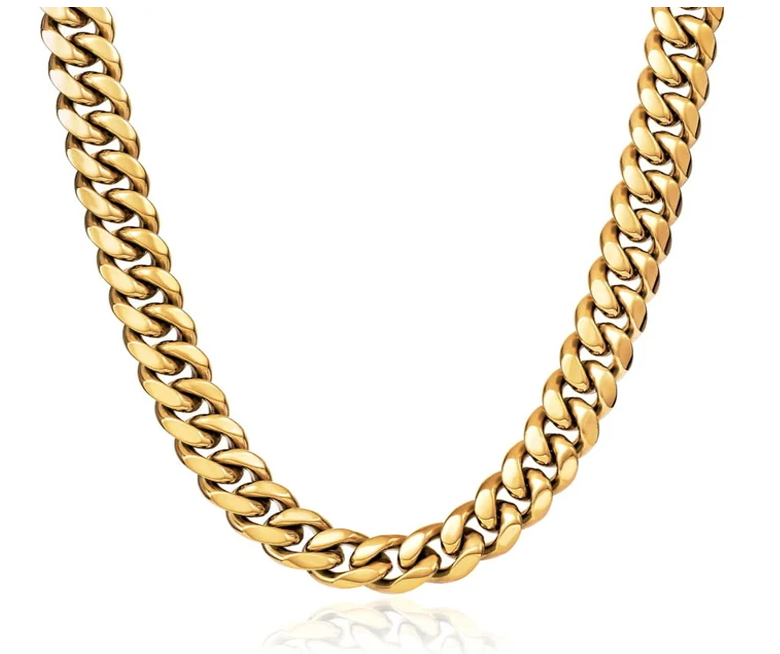
Jewellery worn every day needs to handle far more than occasional outings. A bracelet may stay on through a busy workday, a necklace may be worn from morning until dinner, and rings can come into contact with soap, water and skincare products. Tarnish can gradually change the appearance of jewellery, leaving it dull, dark or uneven.
Choosing tarnish free jewellery starts with understanding the material, finish and care requirements of each piece. A good everyday item should suit your routine as well as your personal style.
Start With the Metal
The metal used to make jewellery has a direct effect on how it behaves over time. Some metals react more easily with moisture, oxygen, sweat and chemicals, while others are better suited to regular wear.
Stainless steel is often chosen for everyday jewellery because it is durable and relatively resistant to corrosion and discolouration. Gold-plated jewellery can also work well for regular use, although the coating may gradually wear depending on its thickness and how frequently the piece is worn.
Solid gold has strong resistance to tarnishing, although the purity and alloy used can affect its appearance and durability. Sterling silver is another popular choice, but it can naturally oxidise and develop a darker surface over time. This does not necessarily mean the jewellery is poor quality. Silver can usually be cleaned and polished to restore its appearance.
Look beyond the colour of a piece before buying it. A bright gold appearance does not automatically mean the item is made from solid gold.
Check What “Tarnish Free” Actually Means
The phrase “tarnish free” can have different meanings depending on the jewellery material and seller. Some pieces are made from metals that naturally resist tarnishing, while others have protective coatings designed to reduce discolouration.
Read the product description carefully. Look for details about the base metal, plating, coating and recommended care. If the description only focuses on appearance without explaining the construction, there may be less information available about long-term wear.
A seller that provides clear material specifications makes it easier to decide if a piece suits daily use.
Think About Your Daily Routine
Jewellery that works for one person may not be practical for another.
Someone who works in an office and removes jewellery before exercising may have very different requirements from someone who wears a bracelet throughout gym sessions, outdoor activities and weekends.
Consider how often the piece will come into contact with:
- Water
- Sweat
- Perfume
- Body lotion
- Sunscreen
- Household cleaning products
- Chlorinated or salt water
Frequent exposure can affect finishes and coatings. If you regularly swim or exercise while wearing jewellery, choose materials that can tolerate your routine or remove the jewellery before those activities.
Pay Attention to Plating
Gold-plated, silver-plated and other coated jewellery can provide the appearance of a precious metal without the cost of a solid-metal piece. The durability of the finish depends partly on the thickness and quality of the plating.
A necklace worn occasionally may retain its finish for a long period. A bracelet that rubs against a desk, clothing or other jewellery every day can experience more friction.
Ask about the plating material and thickness where the information is available. Also check the recommended cleaning method. Harsh polishing products can remove or damage a surface coating.
Choose Pieces That Suit Regular Wear
Design affects durability as much as material.
Fine chains can look understated but may be more delicate than heavier links. Large pendants can place additional weight on a chain. Bracelets with moving parts or intricate details may require more care than simple designs.
For everyday use, consider pieces with secure clasps, sturdy links and finishes that match the amount of handling they will receive.
A simple chain with a strong clasp may be more practical for daily wear than a highly detailed design that needs frequent adjustment.
Cleaning Makes a Difference
Even tarnish-resistant jewellery benefits from basic care.
After wearing a piece, wipe away sweat, moisture and cosmetic residue with a soft, dry cloth. Store jewellery somewhere dry rather than leaving it in a bathroom where humidity is often high.
Separate individual pieces to reduce scratches and friction. A soft jewellery pouch or lined storage box can help protect the finish.
For cleaning, follow the manufacturer’s instructions. Some materials can tolerate mild soap and water, while plated or coated jewellery may require a dry or specialist cleaning method.
Consider Your Skin
Skin sensitivity can also influence the choice of everyday jewellery. Some people react to particular metal alloys, especially pieces containing nickel.
Look for jewellery that clearly states its metal composition if skin sensitivity is a concern. Stainless steel grades, sterling silver and solid gold can have different alloy compositions, so checking the specification is useful.
A comfortable piece is more likely to become part of your regular wardrobe rather than sitting unused in a jewellery box.
Buy for Your Actual Wardrobe
Colour matters, but it should not be the only consideration.
Silver-toned jewellery can work easily with casual clothing, office outfits and darker colours. Gold tones can add warmth and work well with neutral shades. Mixed-metal designs provide another option for people who regularly wear both gold and silver accessories.
Think about the jewellery already in your collection. Choosing a tarnish-resistant piece that works with several existing items gives it greater everyday value.
Read the Care Instructions Before Buying
Care requirements should be part of the purchasing decision, not something discovered after the jewellery changes colour.
Check whether the item should be kept away from water, perfume or chemicals. Find out how it should be cleaned and stored. Also look at any warranty or care information supplied by the seller.
Tarnish free jewellery can be a practical choice for everyday wear, but no piece is completely unaffected by its surroundings. Material quality, construction, exposure and maintenance all influence how a piece looks over time.
The best choice is one that matches your routine, your wardrobe and the amount of care you are realistically prepared to provide.