Non-invasive body contouring has transformed aesthetic wellness over the past two decades, transitioning from niche clinical experiments into mainstream practice. Among the array of non-surgical modalities, ultrasonic cavitation has earned widespread adoption due to its targeted approach to localized adipose tissue reduction. Unlike surgical interventions such as liposuction, which involve incisions, general anesthesia, and prolonged recovery periods, cavitation leverages focused acoustic energy to compromise subcutaneous fat cells while preserving surrounding anatomical structures. Understanding the biophysical mechanics, client evaluation criteria, and physiological contraindications is paramount for anyone seeking to practice or evaluate this technology responsibly.
The Biophysical Principles of Acoustic Cavitation
Ultrasonic cavitation relies on sound wave propagation operating within specific acoustic frequencies, typically between twenty-five and forty kilohertz. When sound waves pass through biological tissues, they produce alternating cycles of compression and expansion. During the low-pressure cycle, minuscule micro-cavities or vapor bubbles form within the interstitial fluid surrounding subcutaneous adipocytes. As acoustic waves oscillate, these microscopic bubbles absorb energy and expand until they reach an unstable critical mass.
Once the bubbles can no longer sustain the acoustic pressure, they implode violently in a process known as stable cavitation. This microscopic collapse releases localized pressure spikes and acoustic shockwaves that specifically exert mechanical shear stress upon the fragile membranes of adjacent fat cells. Because adipocytes possess relatively delicate lipid-filled membranes compared to more fibrous structures like blood vessels, nerve endings, and connective muscle tissues, the acoustic impact selectively ruptures the adipose membranes without compromising adjacent biological structures.
Adipocyte Destruction and Metabolic Clearance Pathways
The structural destabilization of fat cells triggers an immediate release of stored intracellular components into the interstitial matrix. The cellular contents consist predominantly of triglycerides, which are subsequently broken down by endogenous lipase enzymes into free fatty acids and glycerol molecules. Understanding how the human body clears these metabolic byproducts is a foundational necessity for practitioners, and many beginners turn to structured modules such as free cavitation training online to study the intricate biological pathways governing safe lipid metabolism and lymphatic transport.
Following cellular breakdown, the water-soluble glycerol is absorbed into the circulatory system and utilized as an immediate cellular energy source or routed to the liver for metabolic processing. Free fatty acids, being hydrophobic, bind to albumin in the bloodstream and are transported primarily through the lymphatic vasculature toward the liver. Within hepatic tissue, these lipid fragments undergo standard beta-oxidation, indistinguishable from the metabolism of dietary fats. Consequently, an unencumbered lymphatic system and healthy hepatic clearance are fundamental prerequisites for achieving noticeable and lasting aesthetic outcomes.
Essential Client Screening and Health Contraindications
Safe cavitation treatments depend entirely on thorough pre-service client consultations and stringent health screenings. Because the liver and kidneys process and eliminate the disrupted lipids, any pre-existing impairment in these organs serves as an absolute contraindication. Individuals suffering from fatty liver disease, hepatic cirrhosis, renal failure, or active hepatitis must not receive ultrasonic cavitation treatments. Administering cavitation to an individual with compromised hepatic clearance risks elevating circulating triglycerides and overtaxing an already burdened organ system.
Cardiovascular health is equally critical during intake evaluations. Clients fitted with cardiac pacemakers, implantable defibrillators, or metallic surgical implants in the planned treatment zone are ineligible for treatment due to potential electrical interference or excessive heat transfer. Furthermore, pregnancy and breastfeeding represent non-negotiable contraindications; shifting systemic lipids through maternal circulation and potentially into breast milk must be strictly avoided. Active infections, skin lesions in the target area, malignancy, and systemic autoimmune disorders involving connective tissues also necessitate medical clearance or outright treatment deferral.
Step-by-Step Treatment Protocols and Frequency Management
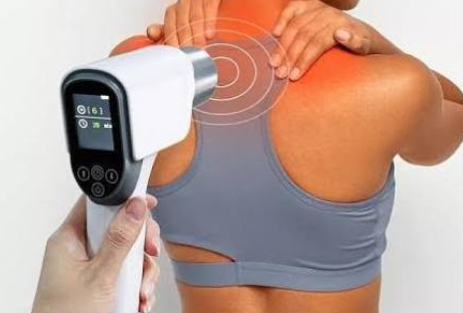
A standardized cavitation session begins with a meticulous assessment of the selected anatomical area, common choices being the lower abdomen, flanks, lateral thighs, and upper arms. The practitioner cleanses the treatment zone to eliminate oils and residues that might disrupt acoustic coupling. A generous application of medical-grade ultrasonic gel is imperative, serving as an acoustic medium that eliminates air pockets between the transducer faceplate and the epidermis, ensuring continuous wave transmission and preventing surface thermal burns.
During the procedure, the transducer must remain in constant, smooth motion across the designated grid using circular or linear gliding techniques. Holding the transducer stationary can generate localized thermal spikes and cause tissue discomfort or surface injury. Typical sessions range between twenty and forty minutes per anatomical zone, avoiding continuous exposure longer than sixty minutes across multiple zones in a single appointment to prevent metabolic overload. Treatment sessions should be spaced a minimum of seventy-two hours apart, though five to seven days is standard, allowing the lymphatic network sufficient time to evacuate mobilized lipids.
Hydration, Exercise, and Post-Care Responsibilities
The biological response to ultrasonic cavitation extends far beyond the conclusion of the hands-on session. Hydration plays an indispensable role in optimizing lymphatic flow and metabolic transport. Clients must be instructed to consume adequate water, typically around two liters daily, beginning forty-eight hours prior to treatment and continuing throughout the clearance cycle. Adequate vascular and interstitial volume ensures the efficient drainage of emulsified lipid droplets into the thoracic duct.
Encouraging moderate physical activity immediately following a session markedly accelerates the clearance of released triglycerides. A thirty-minute brisk walk, light cycling, or vibration plate therapy stimulates skeletal muscle pumps, driving lymphatic fluid toward regional lymph nodes. Additionally, clients should temporarily limit the intake of saturated fats, refined carbohydrates, and alcohol during the clearance window to prevent the liver from prioritizing incoming dietary toxins or surplus calories over the freshly released endogenous lipids.
See also: Vograce: Bringing Creative Ideas to Life With Custom Designs and Premium Materials
Equipment Maintenance, Sanitation, and Professional Standards
Maintaining stringent hygiene and equipment care standards is vital for both client safety and machine longevity. Transducer faceplates must undergo thorough disinfection between client appointments using hospital-grade, non-corrosive disinfectant wipes that eliminate bacterial, viral, and fungal pathogens without degrading the piezoelectric crystals or specialized metal coatings. Ultrasonic gel must never be permitted to dry on the transducer head, as dried polymer residue attenuates acoustic output and diminishes subsequent treatment efficacy.
Practitioners must consistently monitor device calibration and acoustic emission patterns to guarantee that output frequencies stay within targeted non-thermal therapeutic thresholds. Regular inspection of electrical cables, power connections, and cooling fans prevents machine failure during treatment delivery. Combining rigorous sanitization protocols with consistent operational proficiency guarantees that body sculpting services remain safe, consistent, and clinically sound for all individuals seeking body contouring services.