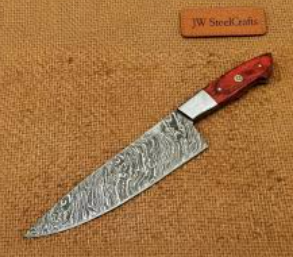
Finding unique handmade knives and outdoor tools online allows you to explore traditional craftsmanship, distinctive designs, and practical equipment from the comfort of your home. Whether you are an outdoor enthusiast, a knife collector, or someone who appreciates handcrafted tools, choosing the right online store can make a significant difference. JW Steel Crafts is one place to explore handmade knife designs and outdoor tools while comparing different styles, materials, and finishes.
However, finding the right product involves more than browsing attractive photographs. You should evaluate the seller’s reputation, review product specifications, understand the intended use, and compare prices before making a purchase. With a clear idea of what you need, you can discover distinctive handmade pieces without overspending or compromising on quality.
This guide explains where to look for handmade knives and outdoor tools online, what to consider before buying, and how to identify products that match your interests and budget.
1. Explore Specialist Online Stores for Handmade Knives
Specialist online stores are a useful starting point when searching for handmade knives and outdoor tools. Unlike general marketplaces, dedicated retailers may organize their products by design, intended use, materials, or craftsmanship style.
This makes it easier to compare related products and identify distinctive features.
Look for a Diverse Selection of Knife Designs
A good starting point is a store that offers different blade styles rather than focusing on a single category. Depending on your interests, you might explore traditional hunting knives, Bowie-style designs, folding knives, Damascus-patterned blades, and Western-inspired collector pieces.
Different designs appeal to different buyers. Collectors may prefer unusual finishes and distinctive handle materials, while outdoor users may prioritize durability, comfortable handling, and ease of maintenance.
Review the product descriptions carefully to determine whether a knife is intended for practical use, collecting, or display.
Evaluate Product Information and Craftsmanship
Reliable product listings should provide clear details about materials, dimensions, construction, and intended use. High-quality photographs should show the product from several angles so you can examine its finish and overall design.
Before ordering, check the following:
- Blade steel and available material specifications.
- Handle material and construction.
- Overall dimensions and weight.
- Intended application and care requirements.
- Shipping, return, and refund policies.
- Available customer reviews and seller information.
These details help you compare products on meaningful characteristics rather than appearance alone.
2. Browse New Arrivals to Discover Unique Designs
One of the best ways to discover distinctive handmade knives and outdoor tools is to check a specialist store’s newest products. New arrivals can introduce different blade profiles, handle materials, decorative finishes, and designs that you may not have considered before.
The new arrivals collection at JW Steel Crafts is a useful place to compare recently listed products and explore available options for your collection.
Why New Arrivals Are Worth Exploring
Browsing newly listed products gives you another way to discover items beyond the most familiar or frequently purchased designs. You may find a distinctive handle, an unusual blade pattern, or a traditional style that better suits your interests.
However, a newly listed product is not necessarily rare, better made, or more valuable than an older design. Evaluate its actual specifications, construction, and price before making a decision.
How to Compare New Products Effectively
Instead of purchasing the first item that catches your eye, compare several products in the same category. Examine their materials, dimensions, intended uses, and finishing details.
Keep a shortlist of products that meet your requirements. This approach allows you to compare options objectively and avoid impulse purchases when an unfamiliar design looks particularly appealing.
3. Choose the Right Type of Handmade Knife
Handmade knives come in a wide range of styles, and each category offers different characteristics. Understanding these differences can help you find a knife that suits your intended purpose.
Damascus Knives for Distinctive Patterns
Damascus-patterned knives attract attention because of their layered or patterned appearance. Collectors often appreciate the visual variation, while other buyers look for a combination of attractive design and practical construction.
When evaluating a Damascus knife, ask about the steel composition, construction, and heat treatment. The visible pattern alone does not establish the blade’s quality or performance.
Hunting Knives for Outdoor Enthusiasts
Hunting knives are designed for specific outdoor and field tasks. Their blade shapes, handle designs, and construction can vary depending on the intended application.
When comparing handmade hunting knives, consider the blade geometry, grip, corrosion resistance, and ease of maintenance. Choose a product designed for your actual needs rather than selecting one based solely on appearance.
Folding Knives for Compact Convenience
Folding knives have a compact design that allows the blade to fold into the handle. Collectors may appreciate their mechanical design, decorative features, and variety of styles.
If you are considering a folding knife, review the locking mechanism, materials, dimensions, and intended use. Check local laws before carrying any knife in public.
Bowie Knives for Traditional Styling
Bowie knives are known for their distinctive profiles and association with American knife history. Handmade versions may feature traditional handle materials, decorative guards, or distinctive blade finishes.
Collectors often choose these designs for their historical associations and visual character. Before buying, verify the product’s dimensions, construction, and whether it is intended for display or practical use.
4. Find Outdoor Tools That Match Your Needs
Handmade knives are only one part of the outdoor tool market. Depending on your interests, you may also want to explore hatchets, axes, and other traditional tools.
Choosing the right product starts with understanding how you intend to use it.
Handmade Hatchets and Axes
Hatchets and axes appeal to outdoor enthusiasts, traditional tool collectors, and people interested in blacksmithing. They can differ in head shape, weight, handle length, materials, and intended application.
When comparing these tools, review the construction, handle fit, and manufacturer’s specifications. For practical use, prioritize reliable workmanship and appropriate design over decorative details alone.
Bushcraft and General Outdoor Tools
Outdoor tools can serve different purposes, from campsite preparation to general maintenance. Before buying, identify the tasks you expect the tool to perform and check whether the product is designed for them.
Consider durability, ease of maintenance, portability, and safe handling. A compact tool may suit occasional outdoor activities, while other tasks may require a different design.
Decorative and Collectible Tools
Some handmade tools are designed primarily for display rather than regular use. These products may feature unusual finishes, artistic handles, engraved details, or historical inspiration.
If you are buying for a collection, focus on the craftsmanship and design elements you appreciate most. Always check whether the item is functional or decorative, and display cutting tools securely.
5. Evaluate Materials and Craftsmanship Before Buying
A product’s quality depends on more than its appearance. Materials, construction, finishing, and manufacturing methods all contribute to the final result.
Understanding these factors makes it easier to compare handmade products from different sellers.
Examine the Blade Steel
Different steel types offer different combinations of hardness, toughness, corrosion resistance, and edge retention.
Carbon steel is often valued for its cutting properties but may require additional corrosion prevention. Stainless steel generally offers greater resistance to rust, although its performance still depends on the specific alloy and heat treatment.
Ask the seller for the steel type and relevant specifications rather than relying on broad descriptions such as premium steel.
Check Handle Materials
Handles may be made from wood, synthetic materials, horn, bone, or other materials, depending on the design.
Wood can provide a traditional appearance, while modern synthetic materials may offer practical advantages in certain conditions. Natural materials can also vary in color, grain, and texture.
Check the handle’s finish, construction, and suitability for the intended application.
Look for Consistent Finishing
Careful finishing can indicate attention to detail. Examine product photographs for clean transitions, consistent surfaces, and securely fitted components.
Small variations may occur in handmade products, but the listing should provide enough information to distinguish natural variation from potential defects.
For expensive or custom pieces, request additional photographs or clarification when important details are unclear.
6. How to Identify a Trustworthy Online Seller
Finding an attractive knife is only part of the buying process. You also need confidence that the seller accurately describes the product and provides clear purchasing terms.
Review the Seller’s Reputation
Look for detailed customer reviews, consistent product information, and a clear business identity. Reviews that discuss specific materials, workmanship, packaging, and communication can provide more useful information than generic praise.
A limited review history does not automatically mean a seller is unreliable. In that situation, examine the available product details and policies more carefully.
Verify Product Descriptions
A reliable listing should clearly explain what you will receive. Check the dimensions, materials, intended use, included accessories, and other relevant specifications.
Be cautious of unsupported claims about rarity, historical authenticity, or investment value. Ask questions before purchasing if the listing leaves important details unanswered.
Understand Shipping and Return Policies
Before placing an order, review shipping costs, estimated delivery times, return eligibility, and refund conditions.
These details matter particularly when buying handmade products internationally, as shipping fees and import duties may increase the total cost.
Use the seller’s official checkout process and keep your order confirmation and relevant communications for reference.
7. Compare Prices Without Compromising on Quality
Handmade products can vary considerably in price because of differences in materials, labor, construction, design, and finishing.
A higher price may reflect more complex workmanship, but it does not automatically guarantee better quality.
Compare Similar Products
When comparing two knives, consider their materials, dimensions, construction, finish, and intended use. Comparing products with similar specifications gives you a clearer understanding of their relative value.
Avoid judging products exclusively by their advertised discounts or decorative appearance.
Set a Realistic Budget
Decide how much you can comfortably spend before browsing. Include shipping, taxes, and any necessary maintenance or storage expenses.
If you collect knives, consider purchasing fewer pieces that meet your criteria instead of accumulating similar designs without a clear purpose.
Be Careful With Claims of Rarity
Terms such as limited edition, collectible, and one of a kind should be evaluated carefully. A distinctive appearance does not necessarily mean a product is rare or likely to appreciate in value.
Look for credible documentation when rarity or provenance matters to you. Buy primarily for the craftsmanship, design, or practical purpose you value.
8. Read Customer Reviews and Compare Product Photographs
Online shopping requires you to assess products without physically handling them before purchase. Detailed photographs and informative reviews can help reduce uncertainty.
Look for Multiple Product Angles
Product images should help you understand the item’s shape, dimensions, finish, and overall construction. Close-up views can reveal details that are difficult to assess in a single photograph.
If the product is expensive and the listing provides limited imagery, consider asking the seller for additional photographs.
Read Reviews for Specific Information
Look for feedback about the accuracy of the description, quality of the finish, packaging, delivery, and customer service.
Remember that customer reviews reflect individual experiences. Consider the overall pattern of feedback instead of relying on one particularly positive or negative comment.
Confirm What Is Included
Check whether the purchase includes a sheath, protective cover, display stand, or other accessories. Do not assume that an item shown in a photograph is included unless the product description confirms it.
This simple check can prevent unexpected costs after the order arrives.
9. Maintain Your Handmade Knives and Outdoor Tools
Proper care helps preserve the condition of handmade products and can extend their useful life. The right maintenance routine depends on the materials, finish, and intended use.
Clean and Dry Metal Surfaces
Moisture can cause corrosion on many types of steel. Clean and dry blades after handling or use, following the manufacturer’s care recommendations.
For carbon steel, appropriate corrosion protection may be necessary. Avoid harsh cleaning products that could damage decorative finishes or handle materials.
Store Products Securely
Use suitable storage solutions that protect blades from damage and prevent tools from falling or contacting other objects.
Keep cutting tools in a dry, secure location and out of children’s reach. Avoid storing metal tools in damp conditions or leaving them in protective sheaths when moisture may become trapped.
Inspect Handles and Construction
Periodically check handles, joints, folding mechanisms, and other components for signs of wear or damage.
Do not use a knife or outdoor tool if its construction appears compromised. Follow the manufacturer’s instructions for sharpening, maintenance, and repair.
10. Why JW Steel Crafts Is Worth Exploring for Handmade Knives and Outdoor Tools
Choosing a specialist store can make product research more straightforward by giving you a place to explore different designs and compare available options.
JW Steel Crafts offers an online destination for people interested in handmade knives, distinctive blade styles, and traditional outdoor tools. Its product collections provide a starting point for researching designs that suit your interests.
Explore Designs That Match Your Preferences
Start by identifying the characteristics that matter most to you. You might prefer patterned blades, traditional Western styling, distinctive handle materials, or tools with a classic forged appearance.
Compare available products based on their specifications and intended use rather than relying on photographs alone.
See Also: Roof Storm Damage Repair: What to Expect During the Repair Process
Make Informed Purchasing Decisions
Before ordering from JW Steel Crafts or any other retailer, review the product description, total price, shipping details, and return policy.
If you have questions about materials, construction, or intended use, seek clarification before purchasing. This is particularly important when choosing an expensive collector piece or a tool intended for demanding work.
Build a Collection Gradually
You do not need to purchase every interesting design at once. A gradual approach gives you time to learn about different materials, understand your preferences, and identify pieces that offer meaningful variety.
By combining careful research with a realistic budget, you can develop a collection that reflects your appreciation for craftsmanship without unnecessary spending.
Frequently Asked Questions
1. Where can I find unique handmade knives online?
You can explore specialist knife retailers, individual maker websites, craft marketplaces, and established outdoor tool stores. Compare product specifications, craftsmanship, seller reputation, and purchasing policies before placing an order.
2. What should I look for when buying handmade knives online?
Check the steel type, handle material, construction, dimensions, intended use, product photographs, and customer feedback. Review the shipping and return policies, too.
3. Are handmade knives worth buying?
Handmade knives can appeal to buyers who appreciate individual designs, traditional craftsmanship, and distinctive finishes. Whether a particular knife is worth its price depends on its construction, materials, quality, and suitability for your needs.
4. What types of outdoor tools can I find online?
Depending on the retailer, you may find hatchets, axes, outdoor knives, and other traditional tools. Choose products based on their intended application and verify their specifications before purchasing.
5. How can I identify a quality Damascus knife?
Review the steel information, construction, heat treatment details, handle fit, and finishing. A visible Damascus pattern does not automatically establish quality, so consider the complete product rather than its appearance alone.
6. How do I know whether a handmade knife is authentic?
Look for clear information about the maker, materials, manufacturing process, and product specifications. Ask questions when the description is vague, and treat unsupported claims about rarity or authenticity with caution.
7. Is it better to buy new arrivals or established designs?
Neither is automatically better. New arrivals may introduce designs that interest you, while established products may have more customer feedback available. Compare specifications, price, and quality before deciding.
8. How should I care for handmade knives and outdoor tools?
Keep metal surfaces clean and dry, follow the manufacturer’s maintenance instructions, and store products securely. Inspect handles and other components regularly, and avoid using damaged tools.
Final Thoughts
Finding unique handmade knives and outdoor tools online becomes easier when you know what to look for. Specialist stores, detailed product listings, reliable customer reviews, and transparent seller policies can help you compare products with greater confidence.
Focus on craftsmanship, material quality, intended use, and overall value rather than appearance or discounts alone. Whether you are interested in Damascus knives, traditional hunting designs, folding knives, or handmade hatchets, take time to research each product before purchasing.
JW Steel Crafts is a useful starting point for exploring handmade knife designs and outdoor tools. Compare its available products, review their specifications, and choose pieces that match your preferences and budget. With a thoughtful approach, you can discover distinctive craftsmanship and build a collection that offers lasting personal value.