Storms can leave a roof with missing shingles, cracked flashing, damaged gutters, or leaks that are not easy to spot from the ground. Even a short period of strong wind or heavy rain can affect the roof’s ability to protect the home. Understanding the repair process helps homeowners prepare for inspections, repair schedules, and possible costs. Roof storm damage repair usually begins with a professional assessment and continues through planning, material replacement, and a final inspection. Nailed It Roofing Pros can help homeowners understand the damage and the steps needed to restore their roof, so they can make informed decisions about protecting their property.
The First Step Is a Roof Inspection
After a storm passes, the first task is to find out how much damage the roof has suffered. Some problems are easy to see, while others may remain hidden beneath shingles or around roof openings. A roofing professional checks the roof’s surface, flashing, gutters, and other areas that may have been affected by wind, hail, or falling branches. They may also inspect the attic for damp insulation, water stains, or signs of moisture entering the home.
The inspection often covers:
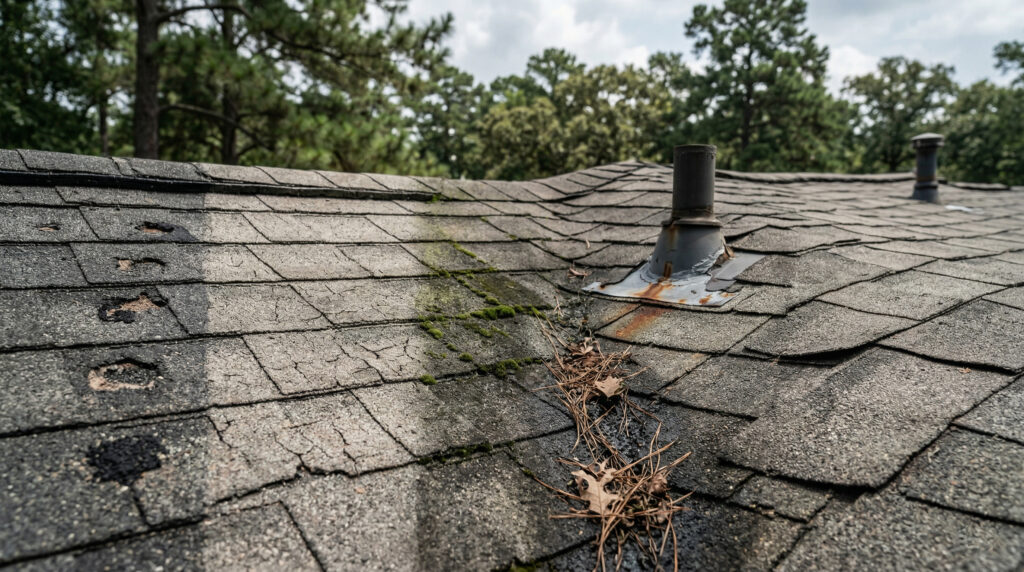
- Missing or loose shingles: Strong winds can lift shingles or remove them completely, leaving the roof exposed.
- Hail impact: Hailstones may leave dents, cracks, or damaged protective granules on roofing materials.
- Flashing damage: Metal flashing around chimneys, vents, and roof edges can loosen during severe weather.
- Gutter and drainage problems: Debris or damaged gutters can prevent rainwater from draining away properly.
- Signs of leaks: Water marks on ceilings and walls may point to roof damage that needs attention.
A detailed inspection helps determine whether the roof needs a few minor repairs or more extensive work. Homeowners should avoid climbing onto a wet or damaged roof because loose materials and slippery surfaces can cause serious falls.
Temporary Protection May Be Needed First
Rain can continue after a storm, even when the worst weather has passed. If the roof has an opening or a section of missing shingles, temporary protection may be necessary before permanent repairs begin. Roofers may install a waterproof tarp or use suitable temporary covering materials to limit further water entry. They may also recommend moving furniture, electronics, and other belongings away from affected areas inside the home.
Nailed It Roofing Pros can help homeowners understand the next steps after storm damage is identified, including the need to protect exposed sections while permanent repairs are arranged. Temporary measures are not a substitute for proper repairs. They are intended to reduce the risk of additional damage while the roof is being assessed and the work is scheduled. Homeowners should also take photographs of visible damage from a safe location. These records can help document the condition of the property for insurance purposes.
Understanding the Repair Plan and Cost
Once the inspection is complete, the roofing contractor can explain the recommended work. The repair plan depends on the type of roofing material, the severity of the damage, the age of the roof, and whether the underlying structure has been affected. A minor issue may require replacing a small number of shingles or repairing flashing. More serious damage may involve replacing larger roof sections, repairing damaged decking, or addressing moisture that has reached the attic.
Before work begins, homeowners should ask for a written estimate that explains:
- The areas of the roof that need attention.
- The materials and labour included in the job.
- Any additional work that may be needed if hidden damage is found.
- The expected start date and approximate completion time.
- Payment terms and any applicable workmanship warranty.
The final price can change if the crew discovers damage that was not visible during the first inspection. A clear agreement about how additional work will be approved helps prevent confusion.
If an insurance claim is involved, homeowners should review their policy, deductible, coverage limits, and documentation requirements. A contractor may provide photographs and a repair estimate, but the insurer determines coverage according to the policy.
What Happens During the Actual Repairs?
The repair stage depends on the findings from the inspection. The roofing crew will usually prepare the work area, remove damaged materials, repair affected sections, and install replacement components. For roof storm damage repair, the process may include removing loose shingles, replacing damaged underlayment, securing flashing, or installing new roofing materials that match the existing roof as closely as practical.
If the storm has damaged the roof decking, the affected boards may need replacement before new shingles are installed. This step provides a sound surface for the roofing materials and helps address problems that could otherwise remain hidden.
The crew may also need to:
- Remove branches, loose roofing materials, and other debris.
- Check roof edges and valleys for damage.
- Replace damaged vents, flashing, or fasteners.
- Repair affected gutters or drainage components.
- Inspect repaired areas for gaps and loose materials.
The work area may be noisy, and some activity may take place around the driveway or yard. Homeowners should keep children and pets away from ladders, tools, and falling debris. Nailed It Roofing Pros can help homeowners understand the work involved and why certain repairs are necessary before the project moves forward.
How Long Will the Repair Process Take?
There is no single timeline for every storm-damaged roof. Small repairs may take only a few hours, while larger projects can require several days or longer.
The schedule depends on several factors, including:
Extent of damage: Replacing a few shingles is usually quicker than repairing a large roof section or damaged decking.
Weather conditions: Roofing work may need to pause during rain, strong winds, or unsafe temperatures. Wet surfaces can make installation dangerous and affect the quality of the work.
Material availability: Special roofing materials, colours, or sizes may take additional time to source.
Contractor demand: After a major storm, roofing companies often receive many repair requests, which can affect inspection and scheduling times.
Homeowners should ask for an estimated timeline and regular updates if delays occur. It is also helpful to confirm whether the property needs to be accessible while the crew is working.
Checking for Hidden Water Damage
A damaged roof can allow water to enter areas that are not immediately visible. Moisture may affect insulation, roof decking, ceilings, wall cavities, and other building materials. During the repair process, the contractor may identify signs of rot, staining, or damp insulation. These problems should be assessed rather than covered with new roofing materials. In some cases, the affected materials need to be dried or replaced before the roof can be fully restored. If mould is suspected or moisture has spread into interior spaces, a qualified professional may need to assess the affected areas. Prompt attention can help reduce the risk of continuing leaks and more expensive repairs. Homeowners should also monitor ceilings and attic spaces after the work is finished, particularly following the next period of heavy rain.
The Final Inspection and Clean-Up
Once repairs are complete, the contractor should check the repaired areas and confirm that the agreed work has been carried out. The inspection may include checking shingle placement, flashing, fasteners, roof edges, and other repaired components. The crew should also remove construction debris and collect loose nails or damaged materials from the work area. Homeowners can ask which areas were repaired and whether any issues still require attention.
Before signing off on the project, consider checking the following:
- Confirm that the agreed repairs have been completed.
- Request photographs of areas that were difficult to view.
- Ask about warranties covering materials and workmanship.
- Keep copies of invoices, estimates, inspection reports, and insurance documents.
- Clarify any recommendations for future maintenance.
A final inspection does not mean a roof can never develop another problem. It confirms that the identified damage has been addressed and gives homeowners a record of the work completed.
Preparing for Future Storms
Once the roof has been repaired, regular maintenance can help homeowners spot potential weaknesses before another storm arrives. Shingles, flashing, gutters, and roof drainage should be checked periodically, especially after severe weather. Trim overhanging branches where appropriate, keep gutters clear, and arrange professional inspections if you notice loose roofing materials or recurring leaks. Avoid walking on the roof yourself unless you are trained and properly equipped to do so. Taking care of small issues early can reduce the chance of water entering the home during future storms. Keeping records of roof repairs and maintenance also makes it easier to track the roof’s condition over time.
Get Help With Storm-Damaged Roofing
Roof damage can create stress, particularly when leaks threaten the inside of your home. Knowing what to expect makes it easier to arrange inspections, understand repair recommendations, and plan the work. Nailed It Roofing Pros can help you take the next steps towards restoring your roof and protecting your property. Contact us today to discuss your storm-damaged roof, arrange an assessment, and learn about suitable repair options for your home. Prompt action can help limit further damage and get your roof back in good condition.