A fresh coat of paint can improve your home’s appearance, protect exterior surfaces from weather damage, and help maintain its value. However, the quality of the result depends on more than the paint itself. Careful surface preparation, suitable materials, and skilled application all affect how long the finish lasts. Choosing an exterior painting company requires looking beyond price and comparing experience, workmanship, communication, and the services included in the estimate. Homeowners working with Fresh Coat Painters can use these same considerations to understand what a professional painting service should provide and make a confident decision for their property.
Look for Relevant Painting Experience
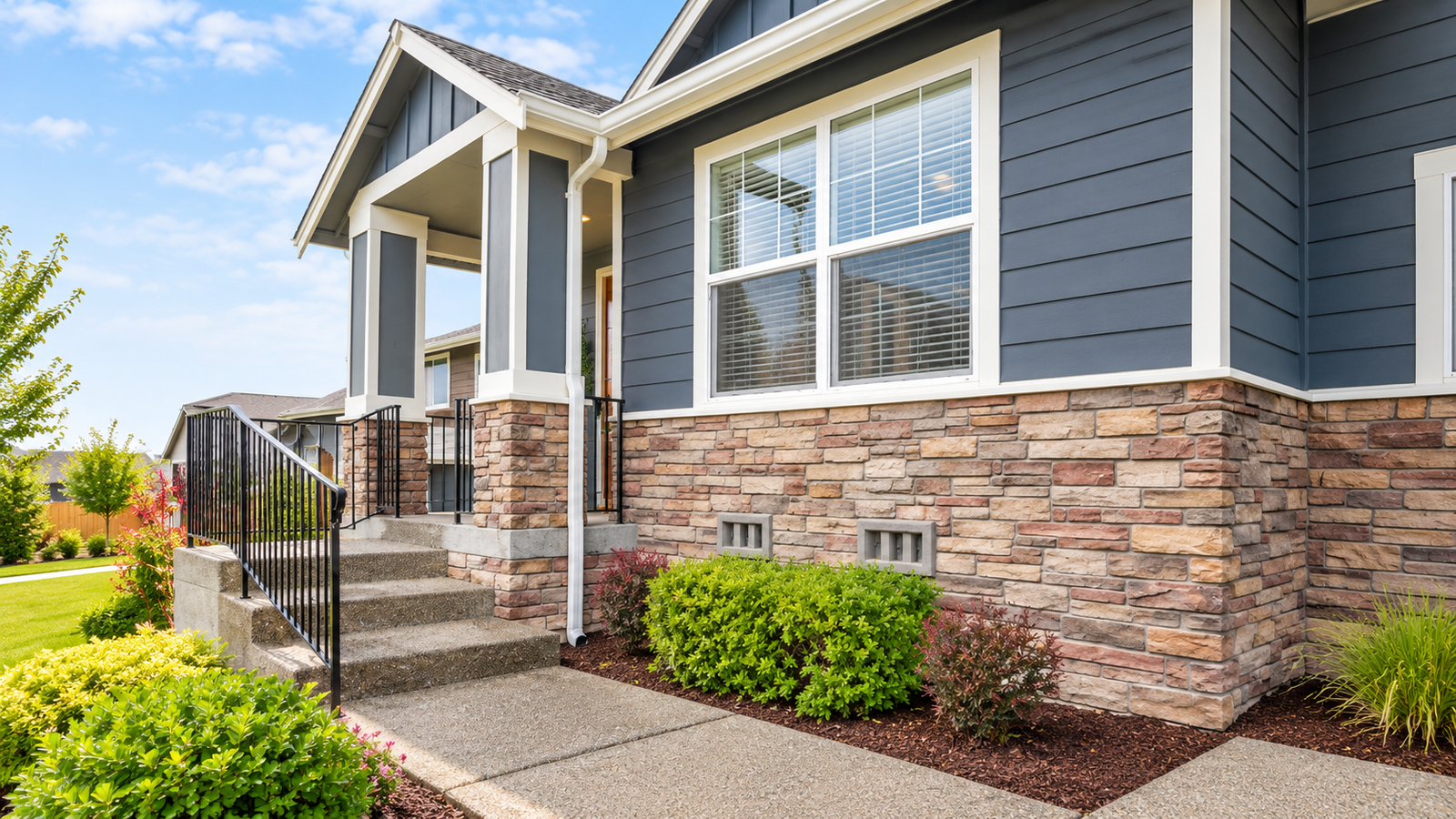
Exterior painting involves different challenges from painting indoor walls. Outdoor surfaces face sunlight, rain, humidity, temperature changes, and general wear throughout the year. A suitable contractor should understand how these conditions affect paint selection, preparation, and application. Experience with homes similar to yours is especially useful. Wood siding, brick, stucco, vinyl, and fiber cement can require different preparation methods and products. A painter familiar with your home’s exterior materials is better equipped to recommend an appropriate finish.
Before hiring a contractor, consider asking:
- How long have you been providing residential exterior painting services?
- Have you worked with my home’s siding or exterior material before?
- Can you show examples of completed projects?
- How do you handle peeling paint, damaged surfaces, and difficult areas?
Clear answers can help you assess whether the contractor understands your property’s needs rather than relying on the same process for every home.
Check Reviews and Previous Projects
Customer reviews offer useful insight into a company’s reliability, work quality, and communication. Look for feedback that describes the full experience, from the initial estimate to the final inspection. Pay attention to repeated comments about punctuality, preparation, cleanliness, and how the company handles concerns. A few negative reviews do not automatically mean a contractor is unsuitable, but repeated complaints about missed deadlines or poor workmanship deserve attention.
Photographs of completed projects can also help you judge the quality of the work. Look closely at edges around windows, doors, trim, and other detailed areas. Consistent coverage and neat finishing often indicate careful application. Ask for references if you want more confidence before making a decision. Speaking with previous customers may help you understand whether the contractor completed the job as agreed and addressed any issues professionally.
Understand What the Estimate Includes
Price matters, but the lowest estimate may not offer the best value. Two contractors can quote different amounts because they include different preparation tasks, paint products, labor, or repair work. A written estimate should explain the scope of the project and identify any additional charges that may apply. This makes it easier to compare offers fairly and avoid unexpected costs later.
Check whether the estimate covers:
- Surface preparation: Cleaning, scraping loose paint, sanding, and other necessary work.
- Repairs: Treatment of minor surface damage or a clear explanation of excluded repairs.
- Paint and primer: The products being used and whether primer is included.
- Application: The surfaces to be painted and the number of coats planned.
- Cleanup: Removal of materials, protection of surrounding areas, and disposal of project waste.
- Timeline and payment: Expected start and completion dates, deposit requirements, and payment terms.
An exterior painting company that explains its pricing clearly makes it easier to understand what you are paying for. Ask questions about anything that seems unclear before signing an agreement.
Pay Attention to Surface Preparation
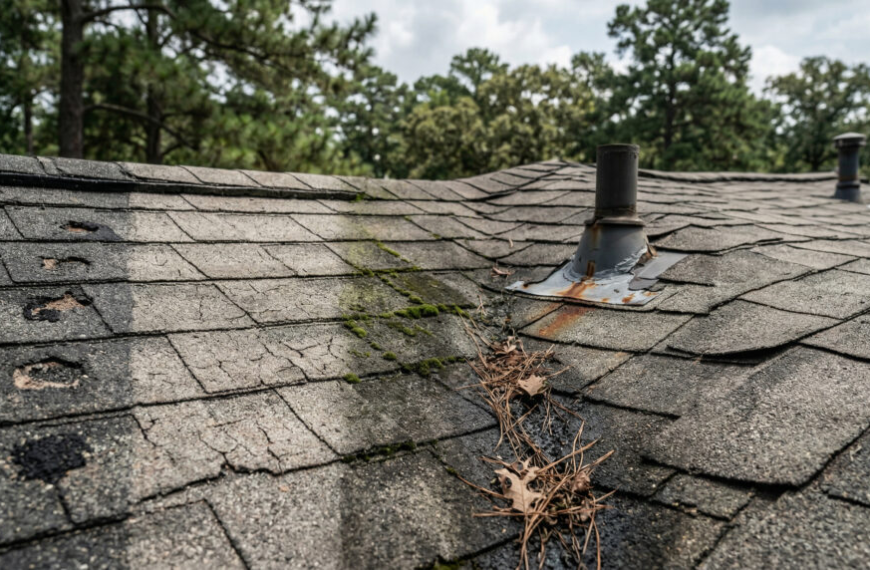
Preparation has a major effect on the appearance and durability of exterior paint. Applying new paint over peeling, dirty, or poorly prepared surfaces can lead to uneven coverage and premature failure. A professional contractor should inspect the exterior before work begins and identify the preparation required. Depending on the condition of the property, this may involve washing surfaces, removing loose paint, sanding rough areas, filling small gaps, and applying primer where needed.
Moisture problems and damaged wood may require attention before painting starts. Painting over these issues can hide visible signs temporarily without resolving the underlying cause. Ask the contractor how the team will prepare each surface and what happens if additional damage is discovered. A clear plan helps prevent misunderstandings and gives you a better idea of the expected finish.
Confirm Insurance, Licensing, and Written Agreements
Hiring a painter involves allowing a work crew onto your property and, in many cases, having people work from ladders or scaffolding. Appropriate insurance and compliance with local requirements should therefore be part of your decision. Ask for proof of relevant liability insurance and workers’ compensation coverage where applicable. Licensing requirements vary by state and locality, so check which rules apply to residential painting contractors in your area. Before work begins, review the written contract carefully. It should identify the services being provided, the agreed price, payment schedule, estimated timeline, and any applicable workmanship warranty. You should also understand how changes to the original scope will be approved and priced. A written agreement protects both parties by setting clear expectations and reducing the chance of disputes.
Choose Paint That Suits Your Home and Climate
Paint quality affects appearance, maintenance, and resistance to outdoor conditions. The right product depends on the surface material, local climate, and condition of the existing finish. For example, homes exposed to strong sunlight may need products designed to resist fading, while areas with frequent rain or humidity require suitable moisture resistance. Different exterior materials also have specific product requirements. Ask your painter to explain the recommended paint type, finish, and primer. You should understand why those products suit your home rather than choosing based on brand recognition alone.
Color selection deserves equal attention. View samples outdoors at different times of day because sunlight and shade can change how colors appear. Test a few options against your roof, brickwork, landscaping, and other permanent features before committing. Fresh Coat Painters is one company homeowners may consider when exploring professional exterior painting services. Discussing the condition of your home’s surfaces, your preferred colors, and your maintenance expectations can help establish the scope of work before the project begins.
Compare Communication and Scheduling
Reliable communication can make the painting process much easier. A contractor should respond to questions clearly, explain the next steps, and keep you informed about scheduling changes. Weather also affects exterior painting. Rain, high humidity, strong winds, and unsuitable temperatures can interfere with preparation or application. A dependable team should explain how weather delays will be handled instead of rushing the job under poor conditions.
Before hiring, confirm who will supervise the project and whom you should contact if concerns arise. Ask how the team will protect outdoor furniture, plants, windows, walkways, and other nearby surfaces. A realistic schedule is more useful than a promise of unusually fast completion. Good workmanship requires enough time for preparation, appropriate drying between coats, and a final review.
Review the Finished Work Before Final Payment
Once the painting is complete, walk around the property with the contractor. Review the surfaces in natural light and look for missed areas, uneven coverage, paint splashes, and untidy edges around trim or windows. Make a list of any concerns and agree on how they will be addressed. Check that the work matches the written scope and that the surrounding area has been cleaned.
Ask about maintenance recommendations, leftover paint, and any workmanship warranty. Keeping a record of the products and colors used can also make future touch-ups easier. The right exterior painting company should be willing to explain the completed work and respond to reasonable concerns. A final inspection gives you an opportunity to confirm that the project meets the agreed expectations.
Make a Confident Choice for Your Home
Choosing a painter becomes easier when you compare experience, preparation methods, materials, written estimates, and customer feedback rather than focusing on price alone. Take time to ask questions and review the agreement before committing. Fresh Coat Painters can be considered as part of your research into professional exterior painting options. Look for a service provider that understands your home’s needs, communicates clearly, and explains how the work will be completed. Careful planning can help you achieve an attractive finish that protects your home and remains in good condition for years. Ready to refresh your home’s exterior? Contact us today to discuss your painting project, explore suitable color options, and request an estimate for your home’s needs.