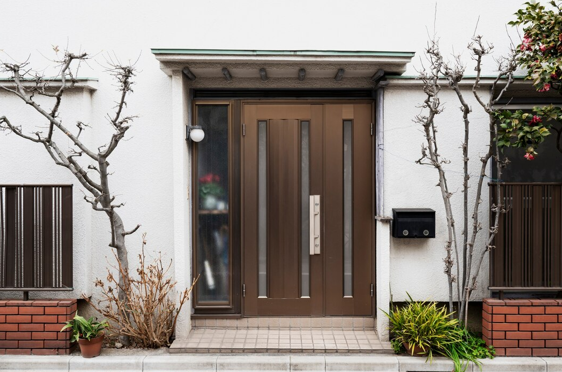
The front door is one of the first features people notice from the street. It sits at the centre of the entrance, connects the outdoor area with the interior, and sets the tone for the rest of the property. A dated or worn door can make an otherwise attractive exterior feel tired, while a carefully selected modern entry door can give the façade a cleaner and more considered appearance.
Modern entry doors are available in a wide range of materials, colours, glass options, panel designs, and hardware finishes. This variety makes it possible to choose a door that works with the architecture rather than simply replacing an old door with something similar.
Create a Stronger First Impression
A front entrance often has more visual influence than its size suggests. The door may occupy only part of the façade, but its colour, shape, texture, and surrounding trim can draw attention immediately.
A modern door with simple lines can suit a contemporary property, while a timber-look finish can add warmth to a more traditional exterior. Dark finishes, such as charcoal, black, or deep grey, can provide contrast against lighter walls. Softer shades can create a quieter appearance where the exterior already has strong architectural details.
The door should also relate to nearby features. Window frames, garage doors, roof colours, exterior lighting, and landscaping can all affect how the entrance looks. Coordinating these elements creates a more unified façade.
See also: Vograce: Bringing Creative Ideas to Life With Custom Designs and Premium Materials
Give an Older Exterior a Fresh Appearance
Replacing an entry door can change the character of an older home without requiring a major renovation. A property may have attractive brickwork, stone, render, or timber detailing, but an outdated front door can make the entire exterior appear behind the times.
A contemporary replacement can introduce cleaner proportions and updated hardware while allowing the original architectural features to remain. For example, a simple panelled door can complement heritage-style brick, while a wider glass-panel design may suit a renovated home with a more open exterior.
The change can be particularly noticeable when the surrounding trim and hardware are updated at the same time. New door handles, hinges, house numbers, lighting, and a fresh coat of paint around the entrance can make the replacement feel properly integrated.
Improve the Balance of the Façade
Proportion matters in exterior design. A small door on a wide frontage can appear lost, while an oversized entrance may dominate the façade.
Modern entry doors come in different widths and configurations, including single doors, wider single-leaf designs, and combinations with fixed side panels. Choosing the right arrangement can make the entrance look more balanced.
Glass can also influence perceived proportions. Vertical glazing can make an entrance feel taller, while horizontal elements can emphasise width. Full-height glass panels create a different visual effect from small decorative windows set into the upper portion of the door.
These choices should be considered alongside the size of the porch, surrounding windows, and overall dimensions of the building.
Add Natural Light Without Losing Privacy
Glazed entry doors can introduce daylight into an entrance hall, which is useful in homes where the front hallway has limited access to natural light.
There are many approaches to glazing. Clear glass provides maximum visibility and daylight, while frosted, textured, obscure, or patterned glass offers greater privacy. Narrow vertical glass sections can provide light without making the entrance feel exposed.
The position of the glazing also affects the exterior appearance. A slim glass strip can create a contemporary detail, whereas a larger glazed section gives the door a lighter and more open look.
For homes close to the street or neighbouring properties, privacy glass may be particularly practical. It allows daylight through while reducing direct views into the house.
Choose Materials That Suit the Property
Material selection affects both appearance and maintenance. Timber doors can bring natural texture and warmth, while engineered materials and composite options can provide different combinations of durability, insulation, and design flexibility.
Fibreglass and composite doors are available in finishes that imitate timber or provide smooth contemporary surfaces. Aluminium is another option often associated with modern architecture, particularly where slim profiles and large glazed sections are desired.
The local climate should also influence the decision. Exposure to rain, direct sunlight, humidity, temperature changes, and wind can affect how different materials perform over time. Maintenance requirements should be considered alongside appearance rather than treated as a separate issue.
A beautiful finish is only useful if it remains suitable for the conditions around the property.
Make Hardware Part of the Design
Door hardware can have a surprisingly strong effect on the final appearance. Handles, locks, knockers, hinges, and letter plates should complement the style and finish of the door.
Long vertical handles can reinforce a contemporary look, while traditional lever handles may work better with classic architectural details. Matte black hardware can create a strong contrast against a pale door, whereas brushed metal finishes can provide a subtler effect.
House numbers can also be incorporated into the entrance design. A modern door paired with clear, well-positioned numbering and suitable exterior lighting can create an entrance that is easy to identify after dark.
Hardware should also be selected for practical use. The handle should feel comfortable, the locking system should suit the property’s security requirements, and exterior fittings should be appropriate for local weather conditions.
Strengthen Security at the Entrance
A front door has an obvious practical responsibility: controlling access to the home. Modern designs can incorporate stronger frames, multipoint locking systems, reinforced construction, and suitable security hardware.
The door itself is only one part of the entrance. The frame, hinges, locks, glazing, and installation all contribute to overall performance. A high-quality door can lose some of its benefits if it is poorly fitted or paired with unsuitable hardware.
Glazing requires particular consideration. Security-rated glass and appropriately designed frames can provide a balance between natural light and protection. Homeowners should check the specifications of the complete door system rather than focusing only on the visible surface.
Support Better Energy Performance
The entrance can also influence indoor comfort. Gaps around an older door may allow drafts, while poorly insulated panels can contribute to heat loss.
Modern entry doors can incorporate insulated cores, weather seals, improved frames, and energy-efficient glazing. These features can help reduce unwanted air movement and maintain more consistent indoor temperatures.
The surrounding installation matters just as much. Correct measurements, suitable seals, and professional fitting help ensure that the finished entrance performs as intended.
For homeowners replacing an old door, checking insulation ratings and weather-performance specifications can be useful alongside comparing colours and designs.
Match the Door to Your Home’s Architectural Style
A modern entry door does not have to look out of place on an older property. The strongest results usually come from selecting contemporary features that respect the building’s existing character.
A minimalist door may suit a house with clean rendered walls and large windows. A timber-finish design can soften a modern façade dominated by concrete, stone, or metal. For a period property, a contemporary interpretation of a traditional panelled door may provide an updated appearance without removing familiar details.
Colour is another way to connect old and new. A strong accent shade can make the entrance a focal point, while a neutral finish can allow the brickwork, landscaping, or architectural details to receive more attention.
Consider the Entrance as a Complete Space
The door should not be selected in isolation. The porch, steps, path, lighting, planting, and surrounding walls all contribute to how the entrance is perceived.
A modern door may look striking on its own, but the result can feel disconnected if the surrounding elements have a completely different style. Simple changes such as updated exterior lighting, fresh trim, new house numbers, or improved landscaping can help tie the entrance together.
The goal is not necessarily to make every feature match. Repeating one or two materials, finishes, or colours is often enough to create visual consistency.
A well-chosen modern entry door can give a home’s exterior a noticeably different character while also addressing practical needs such as security, insulation, privacy, and natural light. The right combination of proportions, material, glazing, colour, and hardware allows the entrance to complement the architecture and create a more polished arrival point.
For homeowners planning an exterior update, the front door is a relatively focused project that can influence the appearance and function of the entire façade.