Understanding Queensland Plumbing Regulations
Homeowners often underestimate the legal framework governing residential water systems in Queensland. The Queensland Building and Construction Commission (QBCC) regulates all sanitary work to protect public health and prevent structural water damage. Attempting a DIY installation of any fixture connected to a drinking water supply or sewerage system is illegal. You must hire a licensed professional for your Brisbane bathtub installation to ensure compliance with the Plumbing and Drainage Act 2018.
Licensed professionals understand the specific installation standards, such as maintaining proper air gaps and installing backflow prevention devices. When dealing with plumbing in Brisbane, compliance certificates are mandatory for any major alterations. Your contractor must lodge Form 4 (Notifiable Work) with the QBCC upon completing the job. This documentation protects your property insurance, as insurers can deny claims for water damage caused by unlicensed work.
Furthermore, local councils, including the Brisbane City Council, conduct random audits on residential renovations. Hiring a qualified plumber guarantees that your drainage pipe sizing, fall gradients, and venting systems meet the National Construction Code (NCC) requirements. Before purchasing any fixtures, verify that your installer holds an active QBCC license and carries professional indemnity insurance. This verification prevents costly disputes and ensures the job adheres to Australian Standard AS/NZS 3500.
Choosing the Right Bathtub for Your Space
Selecting a tub involves more than finding an attractive design. You must evaluate the structural capacity of your bathroom floor, especially when planning a new bathtub on a second story. A standard acrylic tub filled with water and an adult can weigh upwards of 250 kilograms, while cast iron or stone models can easily exceed 500 kilograms.
Freestanding vs. Inset Tubs
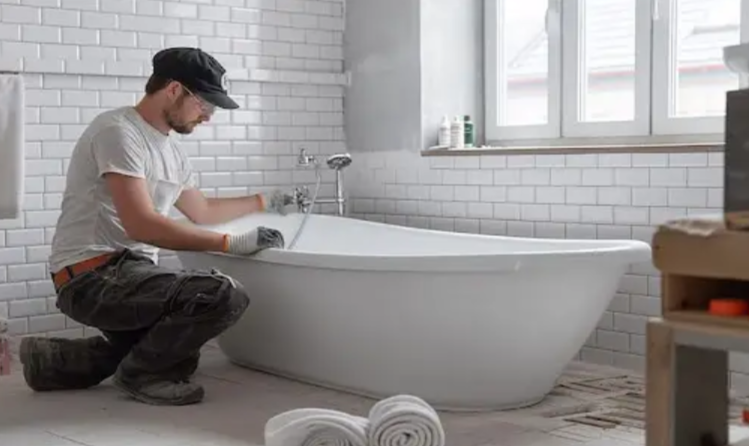
Freestanding tubs offer a luxury aesthetic but require precise floor waste positioning. Because the underside of a freestanding bath is visible, the waste pipe must align perfectly with the floor outlet. In contrast, inset tubs sit within a built hob, which provides extra space to conceal pipework and allows for more flexible drainage configurations.
Floor Load Capacity
If you choose a heavy material like natural stone, a structural engineer must assess your floor joists. Reinforcing timber joists with engineered smart beams or extra sister joists prevents sagging over time. Additionally, consider how the tub design affects cleaning accessibility. Freestanding baths require at least 100 millimeters of clearance from walls to allow for easy cleaning, whereas built-in models seal directly to the wall tiles, preventing moisture buildup in hard-to-reach crevices. This gap also prevents mildew growth in the blind spots behind the tub.
Drainage and Waterproofing Requirements
Proper drainage and waterproofing form the foundation of any durable wet area renovation. Water damage remains one of the most expensive issues in residential properties, making strict adherence to Australian Standard AS 3740 crucial. Before any fixture is placed, the floor and walls must receive a continuous waterproof membrane application.
Waterproofing Standards
In Queensland, waterproofing must be completed by a licensed technician who issues a certificate of compliance. For your setup, the membrane must extend at least 150 millimeters above the lip of the bath where it meets the wall. This barrier prevents water from seeping into the wall cavities during splashing or showering.
Drainage Specifications
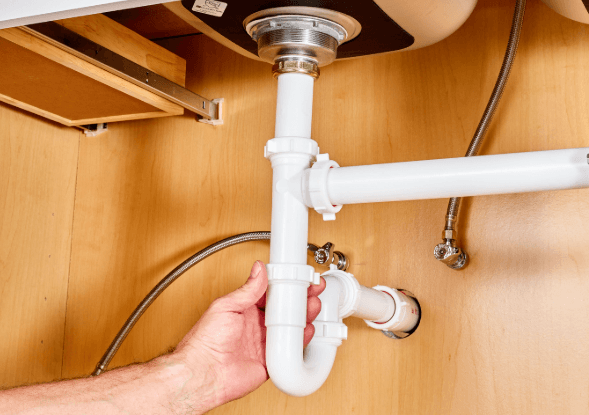
The drainage pipework must meet specific diameter and fall requirements to prevent slow draining and clogs. Standard bath wastes require a 40-millimeter pipe, though upgrading to a 50-millimeter waste improves drainage speed. When updating the plumbing in Brisbane homes, older properties may feature clay or galvanized pipes that require replacement with modern PVC pipes. Ensuring the correct fall—typically a minimum gradient of 1:40—allows wastewater to flow efficiently to the main sewer line without leaving standing water in the pipes. Proper venting is also necessary to prevent sewer gasses from escaping into your bathroom through the bath waste.
Water Supply and Tapware Integration
Integrating your water supply pipes with your chosen bath design requires careful planning. You must decide on the tapware configuration early in the renovation process, as this dictates where the hot and cold water pipes are roughed-in behind the walls or beneath the floorboards.
Tapware Configurations
Wall-mounted mixers offer a clean look but require precise plumbing depth within the wall cavity. If your wall is brick or concrete, chasing channels for the pipes adds labor costs. Floor-mounted bath mixers pair beautifully with freestanding tubs, but they require underfloor access to secure the mounting bracket and run the hot and cold water lines. Deck-mounted taps sit directly on the bath rim, making maintenance easier but limiting your choice of tub styles.
Water Temperature Regulations
Queensland plumbing codes mandate that water delivered to personal hygiene fixtures, including bathtubs, must not exceed 50 degrees Celsius to prevent scalding. Your plumber must install a tempering valve on the hot water line feeding the bathroom. This valve automatically mixes cold water with hot water from your cylinder to maintain a safe temperature. Implementing these safety measures is a standard part of managing plumbing in Brisbane to protect vulnerable household members from accidental burns. Testing the water pressure during this phase ensures your new tapware performs optimally once the walls are sheeted and tiled.
Conclusion
Upgrading your bathroom with a new bathtub is an excellent investment that enhances your daily comfort and adds long-term value to your property. However, understanding the technical standards, waterproofing rules, and council requirements is not a task for a weekend DIY project. A successful Brisbane bathtub installation relies on careful planning, structural preparation, and professional execution. By hiring a licensed contractor who understands the specific local codes, you ensure your renovation is safe, compliant, and durable. Take the time to select the right tub style for your floor capacity and coordinate closely with your installer to enjoy a stress-free bathroom transformation.