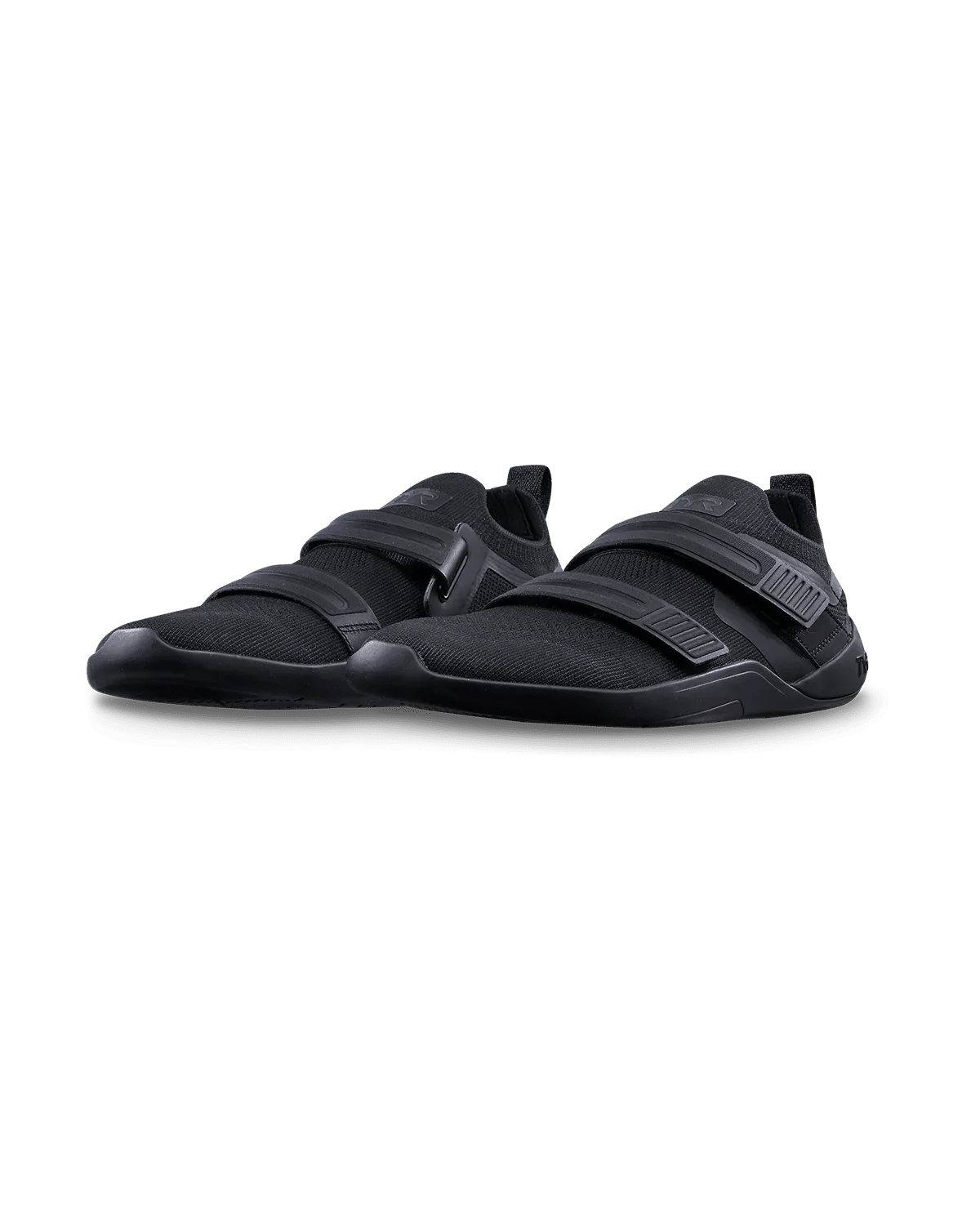
Minimalist workout shoes offer a different feel from conventional athletic trainers. Their designs often feature thinner soles, greater flexibility and less cushioning, allowing the wearer to feel more connected to the surface beneath their feet. Some models also use zero-drop construction, meaning the heel and forefoot sit at the same height. These features can appeal to fitness enthusiasts who prefer a lower-profile shoe for selected gym activities. However, minimalist footwear changes the way a shoe feels during movement, so it is worth understanding its construction and intended use before making the switch.
Explore the minimalist workout shoes collection to review available options and compare their designs. Pay attention to sole thickness, flexibility, toe space and the manufacturer’s guidance on intended activities. Minimalist shoes are not simply conventional trainers with less cushioning, as their overall shape and construction can influence how they fit and feel. Your training habits, comfort preferences and experience with lower-profile footwear should all inform your choice. Taking time to assess these details can help you decide whether this style belongs in your fitness routine.
1. What Are Minimalist Workout Shoes?
Minimalist workout shoes are designed to reduce some of the structural features commonly found in traditional athletic footwear. Depending on the model, they may have a thinner sole, a flexible construction, a lower overall profile and a wider forefoot shape. These characteristics can allow more movement through the foot and increase the sensation of contact with the ground. The level of minimalism varies between products, so the category does not describe one standard design. Always review individual specifications rather than assuming every minimalist shoe offers the same experience.
Conventional trainers often use thicker midsoles, structured uppers and varying levels of cushioning to suit particular activities. Minimalist designs generally place greater emphasis on flexibility and a less elevated feel beneath the foot. This does not automatically make one category healthier or more effective than the other. The best option depends on the activity, the surface, your comfort and how your body responds to the footwear. Comparing construction and intended use is more useful than choosing a shoe based on a general claim about minimalist training.
2. Understanding Zero-Drop Construction
Zero-drop training shoes have a heel and forefoot that sit at the same height relative to the ground. This differs from many conventional trainers, which elevate the heel above the forefoot through their sole design. A zero-drop shoe can create a more level platform, although it does not necessarily have a thin sole or a completely flexible construction. Some zero-drop models still provide substantial cushioning, while others offer a much closer-to-ground feel. It is therefore important to distinguish heel-to-toe drop from sole thickness and overall shoe structure.
Switching from a raised heel to a zero-drop design can change how your feet and lower legs feel during exercise. The change may place different demands on the calves and Achilles tendon, particularly when the footwear is used for walking or running. A sudden transition can cause discomfort, especially if your current footwear has a noticeably higher heel. Begin by considering how the shoe feels during short, low-intensity sessions rather than using it for every activity immediately. If you experience persistent pain or have a relevant foot or lower-limb concern, seek advice from a qualified healthcare professional before continuing.
3. Ground Feel and Sole Flexibility
Ground feel describes how clearly you can sense the surface beneath your feet through the shoe. A thinner sole may provide more sensory feedback than a thick, highly cushioned midsole, although the exact experience depends on the materials and construction. Some fitness enthusiasts prefer this direct sensation during controlled movements and selected bodyweight exercises. Others may find it uncomfortable, particularly on hard or uneven surfaces. More ground feel is a design characteristic, not a guarantee of better balance, technique or performance.
Sole flexibility is another feature worth assessing. Flexible workout shoes can bend more readily than rigid designs, allowing the footwear to follow some of the foot’s natural movements. However, flexibility alone does not determine whether a shoe is appropriate for an exercise. Heavy barbell lifts may require a stable platform, while dynamic gym sessions can place different demands on grip, support and movement. Check how the shoe bends, twists and maintains its shape, and compare those characteristics with the activities you intend to perform.
When assessing minimalist footwear, look for these features:
- Sole thickness: Check how much material separates the foot from the training surface.
- Flexibility: Assess whether the shoe bends comfortably without feeling unstable for the intended activity.
- Ground feel: Consider whether the level of surface feedback suits your preferences.
- Heel-to-toe drop: Confirm whether the heel and forefoot are level or positioned at different heights.
- Outsole grip: Make sure the tread suits the surfaces where you plan to exercise.
4. Fit and Toe Box Shape
Fit remains essential, even when a shoe has a minimalist construction. Many models provide a broader forefoot to allow more room for the toes, but toe box shape and overall shoe width are not the same thing. A shoe may offer generous toe space while still fitting closely around the midfoot and heel. The ideal fit should keep the foot secure without creating pressure around the toes or sides. Do not assume that every minimalist design will suit a wide foot or that a wider toe box will automatically provide a better fit.
Check the length, width and internal shape before purchasing. Your toes should have suitable room to move, while the heel should remain secure during walking and controlled exercise. Some minimalist shoes may feel different from conventional trainers because their uppers and soles provide less structure. Use the manufacturer’s size guide and review any model-specific fitting advice. If you are moving from heavily cushioned shoes, allow time to become familiar with the new fit and sensation before using the shoes for demanding sessions.
5. Minimalist Shoes Compared with Cushioned Trainers
Minimalist shoes and conventional cushioned trainers serve different preferences and can suit different activities. Minimalist designs tend to emphasise flexibility, a lower profile and closer contact with the ground. Cushioned trainers usually provide more material underfoot and may offer a softer feel during repeated impact. Neither approach is automatically suitable for every person or exercise. Factors such as training intensity, surface conditions, comfort and individual tolerance should guide the decision.
Consider these general differences when comparing the two categories:
- Minimalist workout shoes: Often feature a thinner sole, greater flexibility and less cushioning.
- Zero-drop shoes: Keep the heel and forefoot at the same height, although cushioning levels can vary.
- Conventional cushioned trainers: Commonly offer more underfoot cushioning and may include a raised heel.
- Structured training shoes: May provide additional support or a firmer platform for selected gym exercises.
- Running-specific footwear: Is designed around running demands, with cushioning and construction varying by model and intended surface.
These categories can overlap, so product descriptions deserve careful attention. A flexible shoe is not necessarily zero-drop, and a zero-drop shoe is not necessarily minimalist in every other respect. Similarly, a cushioned trainer may be suitable for certain strength exercises if its sole provides enough stability for the task. Compare the actual specifications instead of relying on category labels alone. Your preferred feel should be balanced against the demands of your training programme.
6. How to Adapt Gradually to Minimalist Footwear
Changing footwear can alter the demands placed on your feet and lower legs. If you are accustomed to conventional cushioned trainers, begin with short periods of low-intensity use and assess how comfortable the shoes feel. Avoid changing every workout at once, particularly if the new design has a much lower heel or thinner sole. Gradually increase use only when your body tolerates the change without persistent discomfort. A slower transition gives you more opportunity to recognise whether the footwear suits your needs.
During the adaptation period, pay attention to soreness, fatigue and changes in movement. Some unfamiliar sensations may occur when using a different shoe design, but pain should not be ignored or treated as proof that the footwear is working. Reduce or stop use if symptoms develop, and seek professional guidance if discomfort persists. People with existing foot conditions, previous injuries or specific medical concerns may need individual advice before changing footwear. There is no single transition schedule that is suitable for everyone.
A cautious transition can include the following steps:
- Start with short sessions involving familiar, controlled movements.
- Use a suitable surface that matches the shoe’s intended purpose.
- Increase duration gradually instead of switching all day or throughout every workout.
- Monitor comfort in the feet, calves and Achilles tendon.
- Keep suitable alternative footwear available for activities that need more cushioning or stability.
- Stop and reassess if you develop pain or persistent discomfort.
7. Are Minimalist Workout Shoes Suitable for Every Activity?
Minimalist shoes may suit selected gym exercises, walking and some bodyweight movements, depending on their construction and the wearer’s experience. Their thin soles and flexible designs can provide a different training sensation, but they may offer less cushioning than other footwear. Running in minimalist shoes requires particular care because repeated impact and changes in running mechanics can increase demands on the feet and lower legs. They should not be assumed to improve running technique or reduce injury risk. Anyone considering them for running should transition cautiously and assess their suitability over time.
Heavy weightlifting presents another consideration. Some minimalist shoes provide a firm, flat base that certain lifters prefer, but flexible models may not offer the structure needed for every loaded exercise. Sports involving rapid changes of direction may also require specific traction and lateral support. Check the manufacturer’s intended use and choose according to the demands of the activity. If one pair cannot comfortably accommodate your whole routine, using different footwear for different sessions may be the more practical option.
8. Choosing the Right Minimalist Design
Before buying, identify why you want minimalist footwear and which activities you plan to perform in it. If flexibility and a closer-to-ground sensation are your priorities, compare sole thickness, material, heel-to-toe drop and toe box shape. Review the outsole to ensure its grip suits your training surface, and assess whether the upper holds your foot securely. Check sizing guidance and return conditions, especially if you have not worn this type of shoe before. Avoid choosing solely on the basis of how minimal the design appears.
Your wider training routine may also influence what you need from footwear and accessories. For pool sessions, a TYR swim cap serves a different purpose from gym shoes and should be selected according to your swimming requirements. If your routine includes competitive swimming, you can also review competitive swim briefs designed for aquatic training. These products are separate from minimalist footwear, but they illustrate why equipment should be selected according to its intended activity. Keeping each choice specific to your routine helps you build a practical training kit without expecting one design to meet every need.
Conclusion
Minimalist workout shoes offer a lower-profile alternative to many conventional trainers, with features such as flexible soles, increased ground feel and, in some models, zero-drop construction. These characteristics may appeal to people who prefer a more direct connection with the training surface, but they do not make minimalist footwear suitable for everyone. Fit, grip, sole structure and activity requirements should guide your choice, particularly if you are considering running or heavy strength exercises. If you decide to switch, introduce the footwear gradually and pay attention to how your body responds. Explore TYR’s minimalist footwear collection to compare available designs, or contact TYR for further product information.
Frequently Asked Questions
1. What are minimalist workout shoes?
Minimalist workout shoes generally feature a lower-profile design, less cushioning and greater flexibility than many conventional trainers. The exact construction varies by model, so check sole thickness, heel-to-toe drop and intended use.
2. What does zero-drop mean in training shoes?
Zero-drop means the heel and forefoot sit at the same height. It describes the shoe’s heel-to-toe relationship, not the amount of cushioning or the thickness of the sole.
3. Are barefoot workout shoes suitable for beginners?
They may suit some beginners, but suitability depends on fit, activity and individual tolerance. Anyone switching from conventional trainers should start gradually and seek professional advice if they have existing foot or lower-limb concerns.
4. Can minimalist shoes be used for running?
Some people use minimalist shoes for running, but the transition can place different demands on the feet and lower legs. Introduce them cautiously, increase use gradually and stop if pain develops.
5. Are minimalist shoes better than cushioned trainers?
Neither category is universally better. Minimalist shoes offer a different combination of ground feel, flexibility and cushioning, while conventional trainers may provide more underfoot protection or structure. Choose according to your activity, comfort and individual needs.